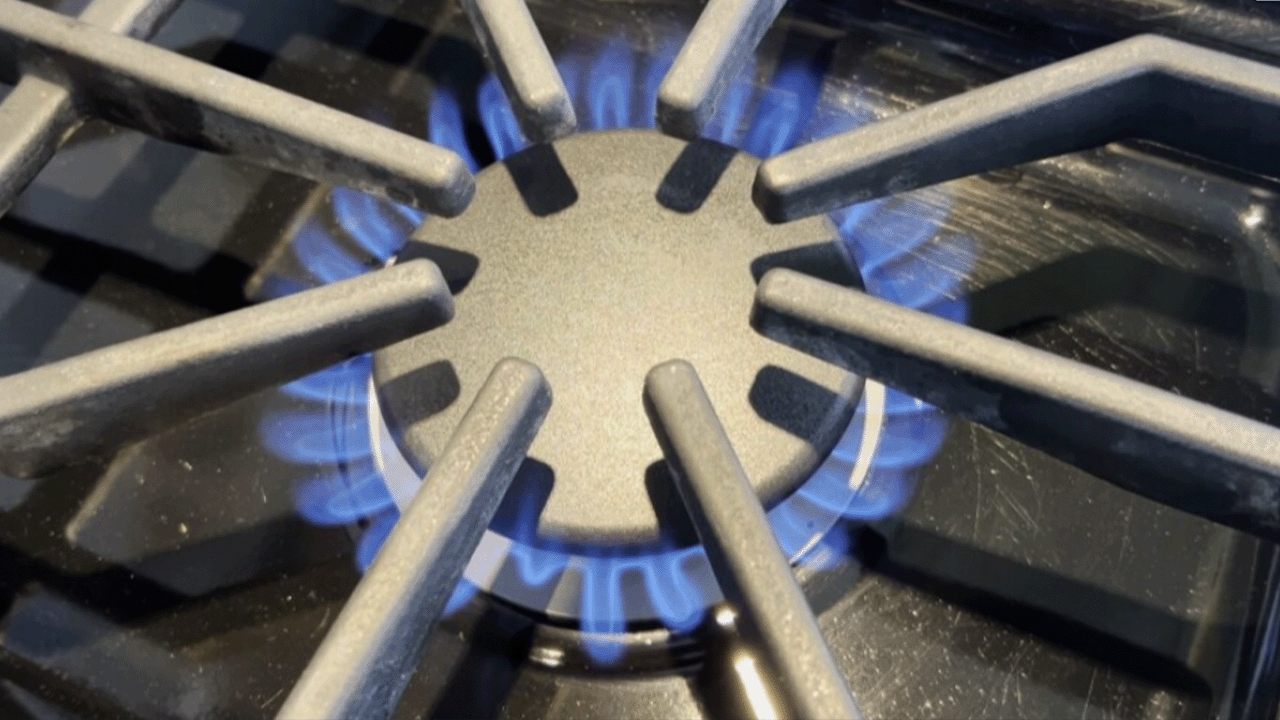


ALBANY, N.Y. (WKBW) — New York State has agreed to delay a controversial law that would have banned gas hookups in new buildings, just weeks before it was set to take effect.
The All-Electric Buildings Act was scheduled to begin on January 1, 2026, prohibiting gas line connections in new buildings under seven stories. However, state attorneys agreed Wednesday to postpone the policy until a federal appeals court makes a ruling on its legality.
Construction trade groups and the building industry have been trying to block the law for the last two years, arguing it violates federal rules on gas appliance regulation. The legal challenge has created uncertainty around the implementation of the environmental policy.
WATCH: New York State delays All-Electric Buildings Act, which would ban gas hookups in new buildings
The law has faced bipartisan opposition in Albany, with both Democrats and Republicans raising concerns about electric grid reliability and high energy costs. The pushback highlights the challenges states face when implementing aggressive climate policies.
State Democratic Assemblyman Bill Conrad has been leading efforts to convince Governor Kathy Hochul to halt the all-electric building act.

"If we are going to take these great leaps, we have to adjust our landing pad," Conrad said.
According to Conrad, he supports the environmental goals but believes the implementation is flawed.
"I'm not against this. What I'm saying is we have to make it market-ready and affordable, so it actually saves us money and doesn't cost us money," Conrad explained.
The assemblyman argued that consumers should have a choice in their energy options.
"This is not a one size that fits all states," Conrad said. "A lot of people in this community don't like their energy policy being dictated from 400 miles away, and you have to lend credibility to the issue. Right now, we have a credibility problem."
Philip Nanula, president of the Buffalo Niagara Builders Association and a home builder who has been fighting the electrification mandate for two years, welcomed the pause.
"Bottom line, there's just not enough capacity on the current grid to facilitate more demand that this would create," said Nanula.

When asked about his reaction to the hold, Nanula said it was "very positive, obviously to say the least."
"I would say there is a victory in this," Nanula said.
Nanula's organization is part of the lawsuit attempting to stop the mandate. He argued that the policy would increase costs for both construction and operation.

"These existing developments are not designed for all-electric use," Nanula said. "We have proven that it's more costly to build all electric, and it's more costly to run all electric."
Despite the pause, Governor Hochul's office released a statement reaffirming support for the policy.
"The Governor remains committed to the all-electric-buildings law and believes this action will help the State defend it, as well as reduce regulatory uncertainty for developers during this period of litigation. Governor Hochul remains resolved to providing more affordable, reliable, and sustainable energy for New Yorkers."
Conrad said he will meet with the governor's staff on Monday to discuss the matter further.
RELATED
- Congressman Langworthy and home builders speak out against New York State's gas ban for new builds
- New York residents voice concerns over state's all-electric energy transition plan
- Lawmakers in New York State push to pause all-electric building mandate amid energy concerns
This story was reported on-air by a journalist and has been converted to this platform with the assistance of AI. Our editorial team verifies all reporting on all platforms for fairness and accuracy.