

AMHERST, N.Y (WKBW) — February 2-6 is National News Literacy Week. This year's focus is on helping teens learn how to separate real information from fake in the age of AI.
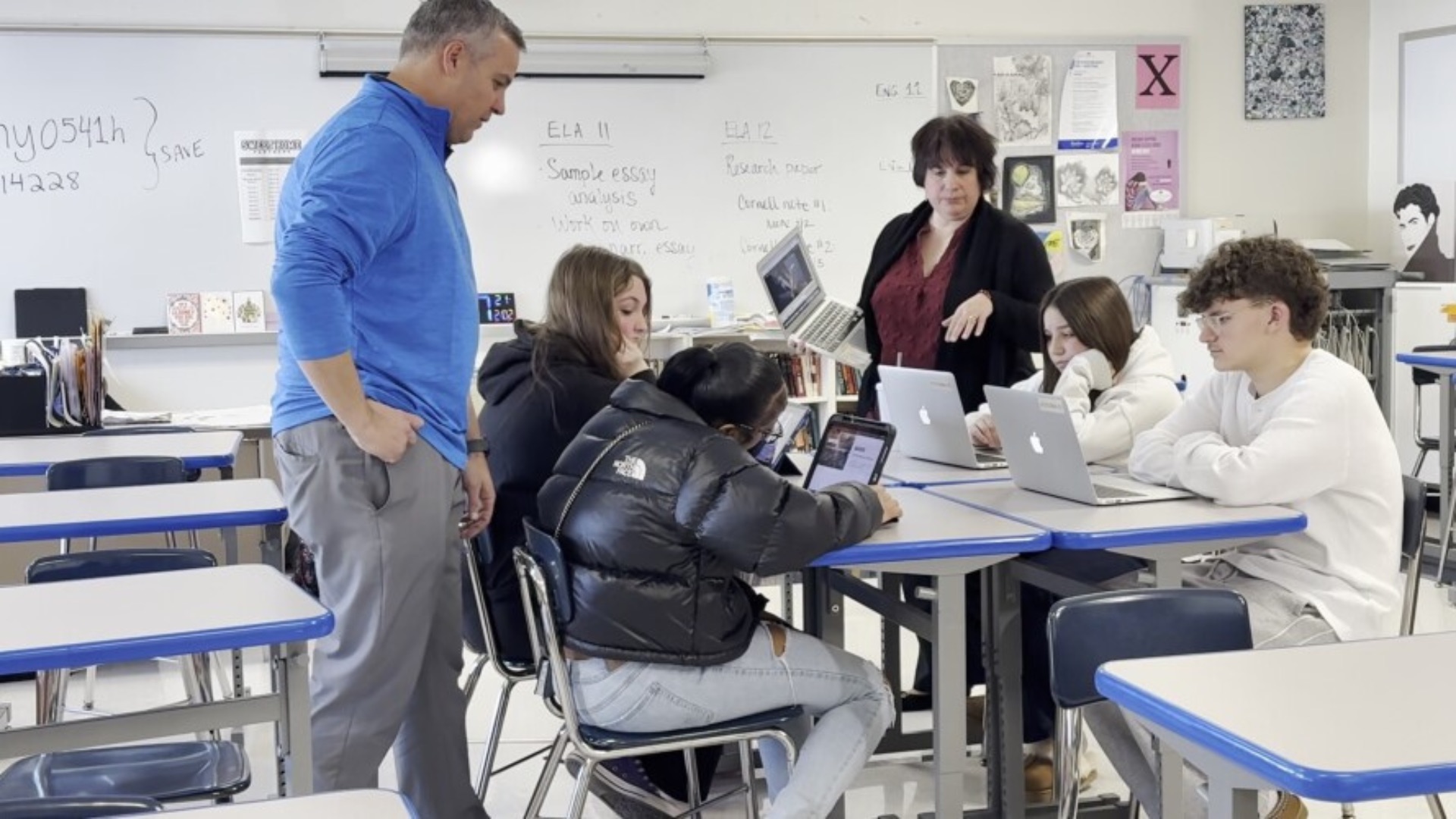
I visited students at Sweet Home High School in Amherst, learning how to detect what’s real and what’s fake.
WATCH: News Literacy Week: Sweet Home High School students learning how to spot AI-generated content
Sweet Home High School media students were learning how to spot what "deep fake" is in this new age of artificial intelligence because it's so easy to be fooled by fake material and false news stories.
"I definitely had that happen a few times," said Evan Maciag, Sweet Home High junior.
"It's getting to a point where a lot of people can't tell what's fake and what is real," stated Kirsta Kincade, senior.
So many have had it happen – you’re scrolling through a social media feed, and you see a video or photo that looks real, but it could be fake. These students tell me how you can figure out what it is.

"What have you learned? What have they told you to look for?" I asked.
"Really look for like, any like animals and stuff you can look for, extra feet and like, maybe like chops in the production, because it's not like fully developed yet," Maciag said. "Sometimes, a blurred background, because the background can depict if it's AI or not."
"Anything that looks not like authentic, really," answered Alayla Ridgeway, junior.
I also asked seniors Natalie Coughlin and Krista Kincade what they’ve learned to look for.
"If it's realistic – if someone actually wrote it or made the video or audio, and then if it's not realistic, then it's obviously AI," Natalie Coughlin said.

"The grammar. The punctuation, because it doesn't sound human, it's robotic," Kincade said.
Sweet Home High School Media Teachers Lisa LaBrake and Brian Koziol are guiding lessons to help these Sweet Home students learn about detecting AI.
"How many of you have shared something that you found out later was unreliable and was AI-generated or false and they all raised their hand," LaBrake said. "They don't want to be duped. They’re very aware of things like deep fakes and music that is generated by AI that is just soaring up the charts."
The teachers tell me it's important for students to learn when AI is a useful tool.
"If they know something in advance is made by AI or the information they're getting is AI-generated, then I think they're more apt to maybe want to at least engage with it, take it in, listen to it and see if it's something that they're interested in," Koziol said.

"But we're also tied to teaching them how to use the tools and how to be effective with meeting deadlines and producing pieces that would be authentic," LaBrake said.
I asked student Alayla Ridgeway what part of AI she likes.
"I think it helps to start you off with, like, thinking for a project or anything. Personally, I want to go into, like, design engineering, so I’ve looked into how it can, like, it's been helping engineers," Ridgeway said.
The high school juniors and seniors also told me they are worried that AI could take over future jobs that they will be seeking, so for now, they are soaking in as much information about AI-generated material as possible.