

CITY OF TONAWANDA, N.Y. (WKBW) — Drivers in the City of Tonawanda know the feeling all too well this time of year — hitting potholes that seem to come back just as quickly as they’re patched.
Now, city leaders say they’re trying a new approach that could change that.
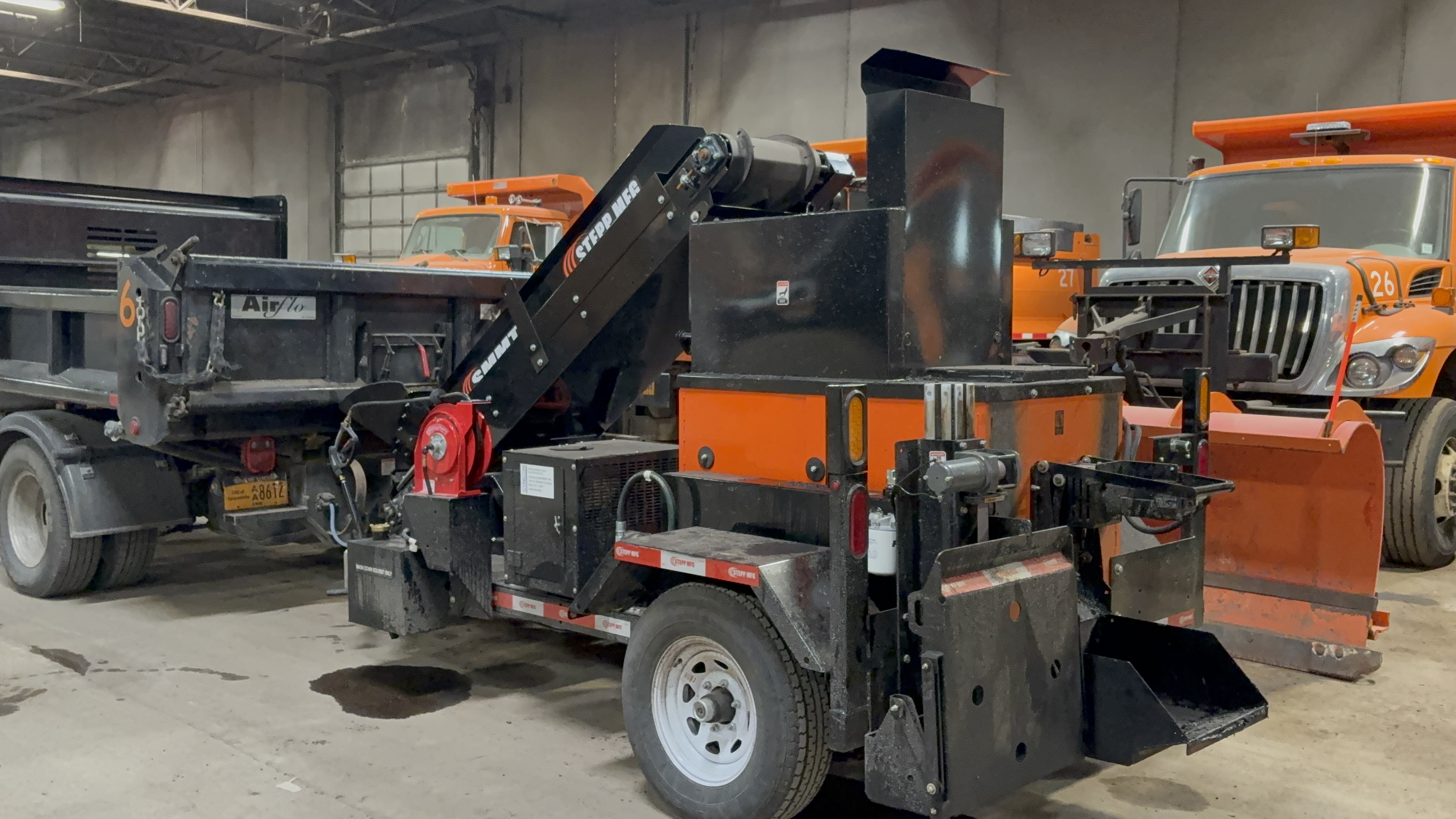
Using $70,000 in funding from New York State’s Consolidated Local Street and Highway Improvement Program (CHIPS), the city recently purchased a Stepp SMMT asphalt recycler — a machine designed to create hot patch material on demand, even in colder months.
Unlike the traditional "cold patch" method typically used during winter, this new system heats up recycled road millings and combines them with an oil-based product to produce a more durable repair.
"It takes millings from old roads and re-emulsifies them with an asphalt product… and creates a hot patch material for pothole patching," said David Fronczak, superintendent of public works for the city.
Once the material reaches temperatures of around 350 degrees, crews can immediately use it to fill potholes.
"After it gets up to roughly 350 degrees, you can… open the chute, and then the new hot patch material kicks out right there," Fronczak said.
The key difference, he says, is longevity.
WATCH: New state-funded asphalt recycler aims to deliver longer-lasting repairs to potholes
"This will harden like actual road, and it should make a permanent fix to a pothole compared to cold patch. That’s not permanent at all," he said.
While the process takes longer than traditional methods, city officials say the goal is to reduce the need for repeated repairs.
The machine has been in use for about two weeks, though it’s not always deployed daily. On colder days or when larger potholes need immediate attention, crews may still rely on cold patch to keep up with demand.
"I know folks are frustrated because obviously everyone wants their pothole fixed," said Mayor William Strassburg. "We’re trying to hit the hardest or worst streets first."
Still, the mayor says the investment is about long-term results, not quick fixes.
"If we have a week of fairly nice weather, we can put that machine out, and those potholes hopefully will be fixed for the duration," he said.
The recycler also allows the city to reuse materials from past road projects. According to officials, Tonawanda has a steady supply of old millings stored at a dump site, making the process both cost-effective and sustainable.
"We’re actually coming full circle," Strassburg said. "Roads that have been taken out last year are now being used to patch the roads going forward."
As temperatures begin to rise and crews can use the machine more consistently, city leaders say residents should begin to notice a difference — fewer repeat potholes and smoother roads across Tonawanda.
For now, the approach is still in its early stages, but officials remain optimistic that this new method could provide a more permanent solution to a problem drivers face every spring.
7 News Reporter Derek Heid spoke to Lockport officials about their plan to attack potholes. You can read more here.