

GETZVILLE, N.Y. (WKBW) — As Autism Acceptance Month kicks off, leaders at The Summit Center believe awareness alone is not enough, especially as more families across Western New York struggle to access critical services.
Autism affects 1 in 31 children, and for families, long waitlists and limited resources stand in the way of early intervention services, experts say are key to long-term success.
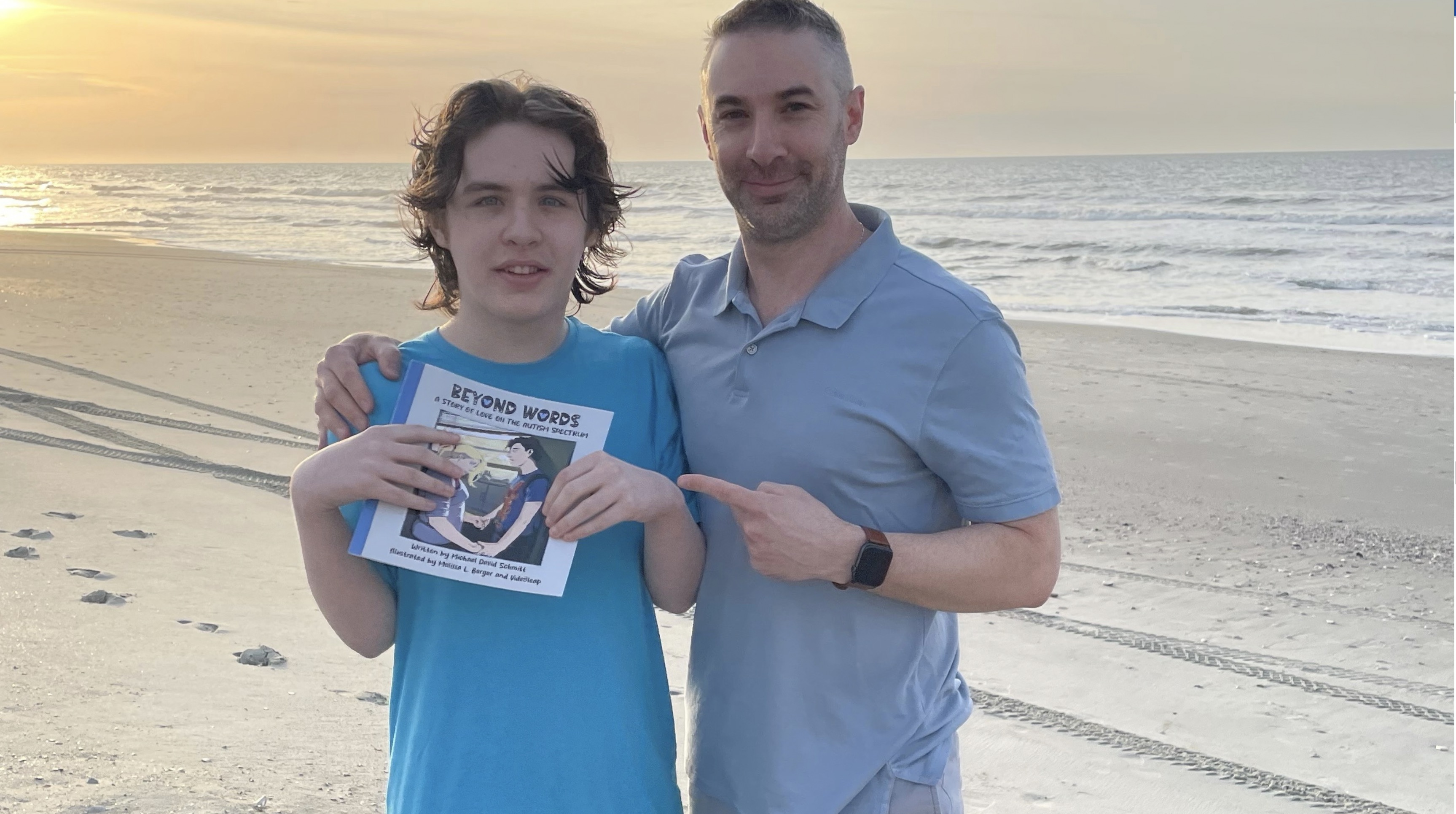
For 18-year-old Brayden Schmitt, access to the right support made all the difference.
"We took it one day at a time," said his father, Michael Schmitt. "Finding the right support and access to things like early intervention and the Summit Center were crucial in developing skills necessary to perform daily living activities, simple things that you and I take for granted."
Brayden is non-speaking and communicates using an augmentative and alternative communication (AAC) device, along with gestures and body language. But that wasn’t always the case.
WATCH: How access to support positively impacts families with an autism diagnosis
Experts at The Summit Center say that kind of progress is exactly why access to tools and early intervention is so important.
"We are able to give students a functional means to communicate. It really changes the students' lives," said Rachel Epstein, clinical coordinator at The Summit Center. "Research supports that early intervention makes the most impact."
Through specialized programs at Summit Academy and other services, the organization supports more than 1,200 children and adults each year. But demand continues to grow.
"I think one of the biggest barriers is families being on waitlists," said Mary Bennett, superintendent of Summit Academy. "They're waiting for services, waiting to get into Summit."
Bennett says nearly 400 families are currently waiting for placement, highlighting the gap between need and available resources.
"What we're missing is the resources to be able to expand our programs and serve those kids," she said.
For Brayden, getting access early helped him build confidence, independence and a sense of connection. His father says he now thrives in his day-to-day life.
"Brayden really had to work diligently, and he's made so much progress over the years. I'm really proud of him," Schmitt said.
That journey has also inspired Michael Schmitt to give back. He's written four books about their experience and launched a nonprofit focused on helping families access AAC devices and training.