

CITY OF TONAWANDA, N.Y. (WKBW) — The City of Tonawanda Police Department recently released a "Know Before You Ride" safety guide outlining local regulations for e-bikes and e-scooters, with a focus on safe riding practices and sharing the road and bike paths with pedestrians and cyclists.
Acting Police Chief Jamin Butcher said the department's goal is education.
"I think a lot of people don't know the rules," Butcher said. "We wanted people to be safe on them, and the biggest thing is the younger kids that are riding these, and they're not supposed to until 16 years old."
Under city rules, riders must be at least 16 years old to operate an electric bike or scooter. Riders ages 16 and 17 are required to wear a helmet.
WATCH: City of Tonawanda reminds e-bike and e-scooter riders to know rules before riding
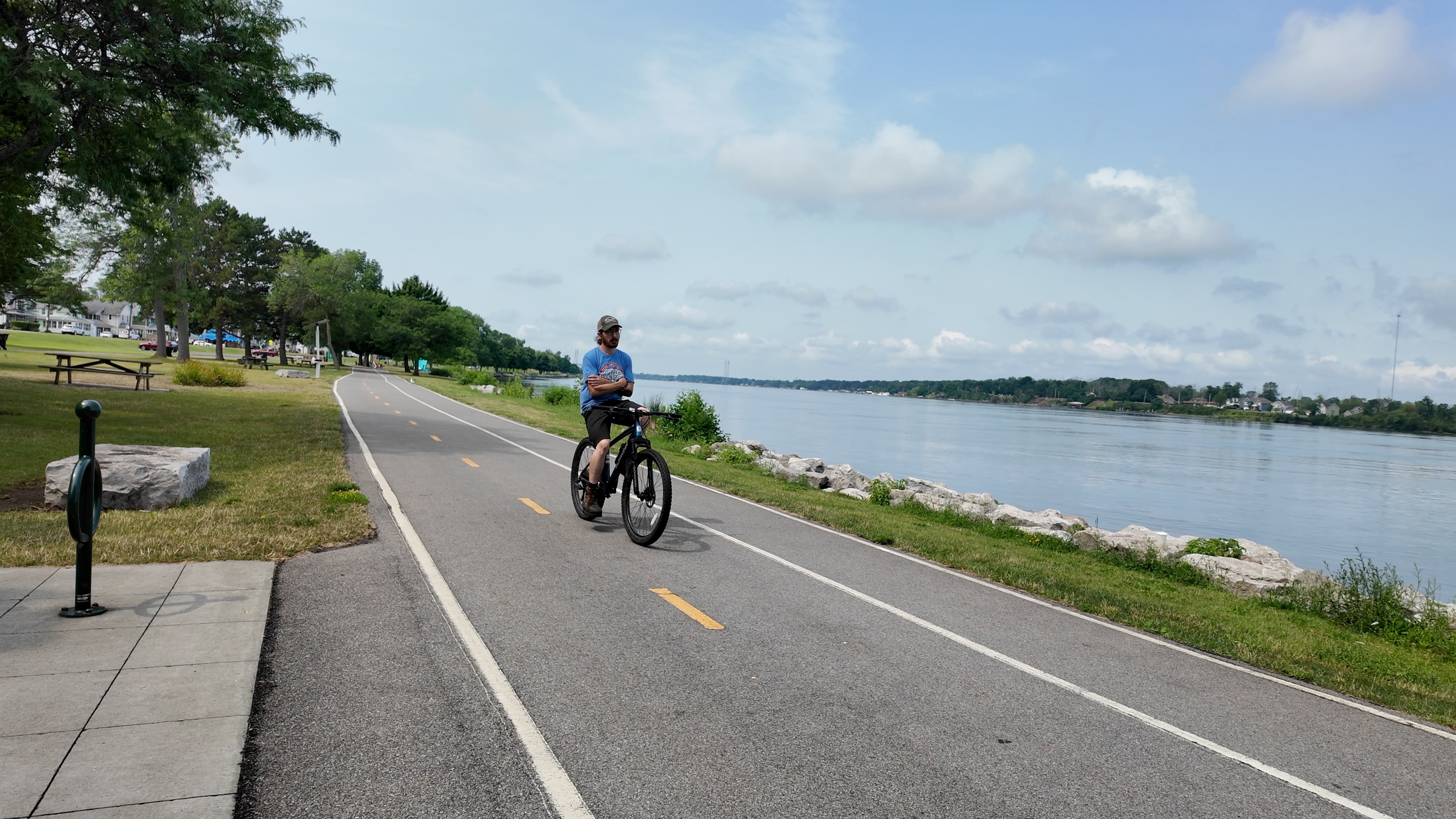
The citywide speed limit for electric bikes and scooters is 15 miles per hour. However, a section of the Niawanda Park bike path between Two Mile Creek Road and Seymour Street has a reduced speed limit of 5 miles per hour from May 1 through Oct. 31, between 8 a.m. and 10 p.m.
Butcher said the reduced speed limit was approved because of the heavy foot traffic in the park during the warmer months.
"City council recently enacted an ordinance to reduce the speed in Niawanda Park... because it is so congested, and they want people to be safe down there," Butcher said.
The safety guide also reminds riders to:
- Yield to pedestrians.
- Ride single file.
- Follow all traffic laws.
- Use a front light, rear light and bell or other audible warning device.
- Avoid riding while impaired.
- Do not block sidewalks or park against signs, poles or trees.
ATVs and dirt bikes are not permitted on city streets or bike paths.
For many who regularly walk at Niawanda Park, the increase in e-bikes is noticeable.
"There's a lot of them," said Gail, a frequent park walker. "You just have to move out of their way. But it doesn't bother me. They're enjoying the park just as much as I am."
For now, the police department said officers are emphasizing education over enforcement, handing out informational flyers and speaking with riders throughout the park.
"This is just about safety," Butcher said. "About trying to get people informed about what's going on and how to properly operate these in an environment that doesn't get anybody injured."