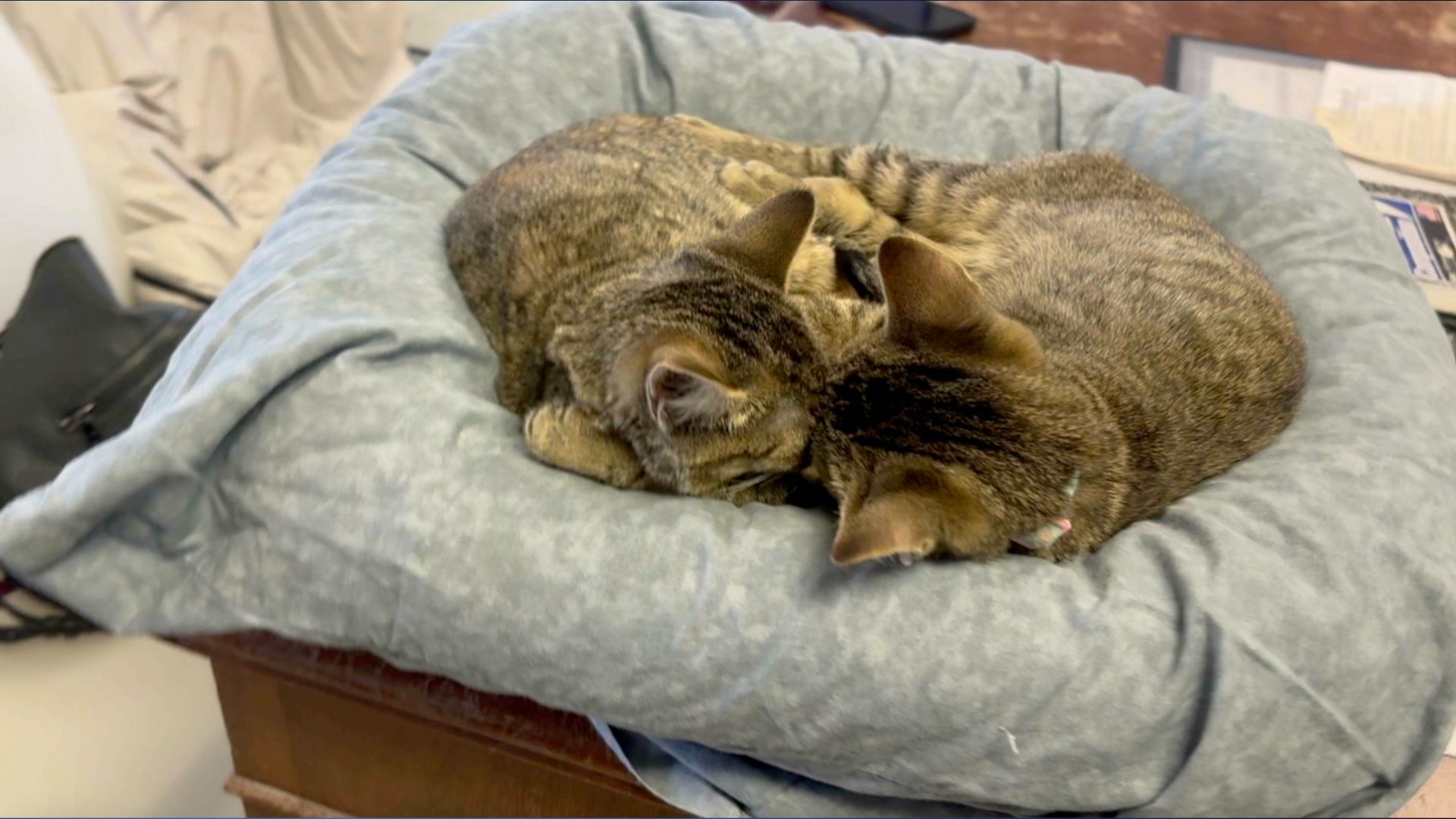


WILLIAMSVILLE, N.Y. (WKBW) — Inside A Purr-Fect Fit Animal Rescue in Williamsville, cats curl up on shelves, roam and follow volunteers from room to room.
The rescue operates without cages except when animals need time to acclimate, a model they say allows cats to heal, socialize and prepare for adoption.
Chris Wiehe, chief operating officer of the rescue, has worked in animal rescue for more than 34 years. Since opening in 2016, A Purr-Fect Fit has focused on maternal care, taking in pregnant cats and fostering kittens until they're healthy enough to be spayed or neutered and adopted.
"We have people that come in that have other jobs. They're just coming in a few hours to take care of these animals," Wiehe said. "For small, brick-and-mortar rescues, I think there are a lot of things that may cause problems."
Those problems center on Article 26-C, a new state law that takes effect December 15. The law establishes uniform standards for shelters and rescues across New York, including requirements for veterinary care, documentation, vaccinations, housing conditions and regular inspections.
Wiehe worries that the new standards could unintentionally limit how many animals small rescues are able to help, especially those that rely on volunteers rather than full-time staff. She also rents her facility, making structural changes or expansions difficult.
"I think they should come in, look at the animals, make sure the place is clean, that they’re healthy, that there’s vet care and records and leave," Wiehe said.
She fears that if rescues are forced to reduce capacity or close, it could worsen an already growing stray cat population.
"Shutting down any animal rescue that is a good animal rescue should not happen," she said. "We need more. We don't need less."
Watch: New York State's new animal shelter standards raise concern for small rescues
State officials say the intent of the law is not to punish shelters, but to improve animal health and welfare statewide.
Dr. David Chico, a veterinarian with the New York State Department of Agriculture and Markets, said the law gives the state inspection authority it previously didn't have and creates consistent standards across all shelters and rescues.
Under the new requirements, animals must be vaccinated within 24 to 48 hours of arriving at a shelter or rescue. The standards also address housing conditions, including noise levels, sanitation and staff training.
"This legislation will now require vaccination within 24 to 48 hours for animals coming into rescues and shelters," Chico said. "That will help boost their immunity and make them healthier for when they go to their adoptive homes."
Chico said the first year will be treated as an educational period, with inspectors focusing on guidance and compliance rather than penalties. Enforcement actions aren't expected to begin until at least 2027.
"We understand that these standards are a heavy lift for many organizations," Chico said. "We aren't looking to be punitive or to put people out of business. We understand the good nature of the work that people are trying to do."
To help shelters meet new requirements, the state offers funding through the Companion Animal Capital Projects Fund. Since 2017, the program has awarded more than $48 million to shelters across New York for facility improvements and upgrades.
"We try to help as many as we can," Wiehe said. "We're just trying to do the best we can with the funds that we have."
Smaller animal rescues in the state can find grant information and additional resources on the Department of Agriculture and Markets here.