


BUFFALO, N.Y. (WKBW) — A deadly hantavirus outbreak on a cruise ship has made the virus the most searched topic in the United States, but a local infectious disease expert says Western New Yorkers have little reason to worry.
The World Health Organization says the total number of cases tied to the ship is now at 11. Three people have died. All people impacted are under medical supervision.
Three people on that ship were from New York. Gov. Kathy Hochul says she does not know if those people will come to New York to quarantine. International health officials say there is no sign of a larger outbreak at this time.
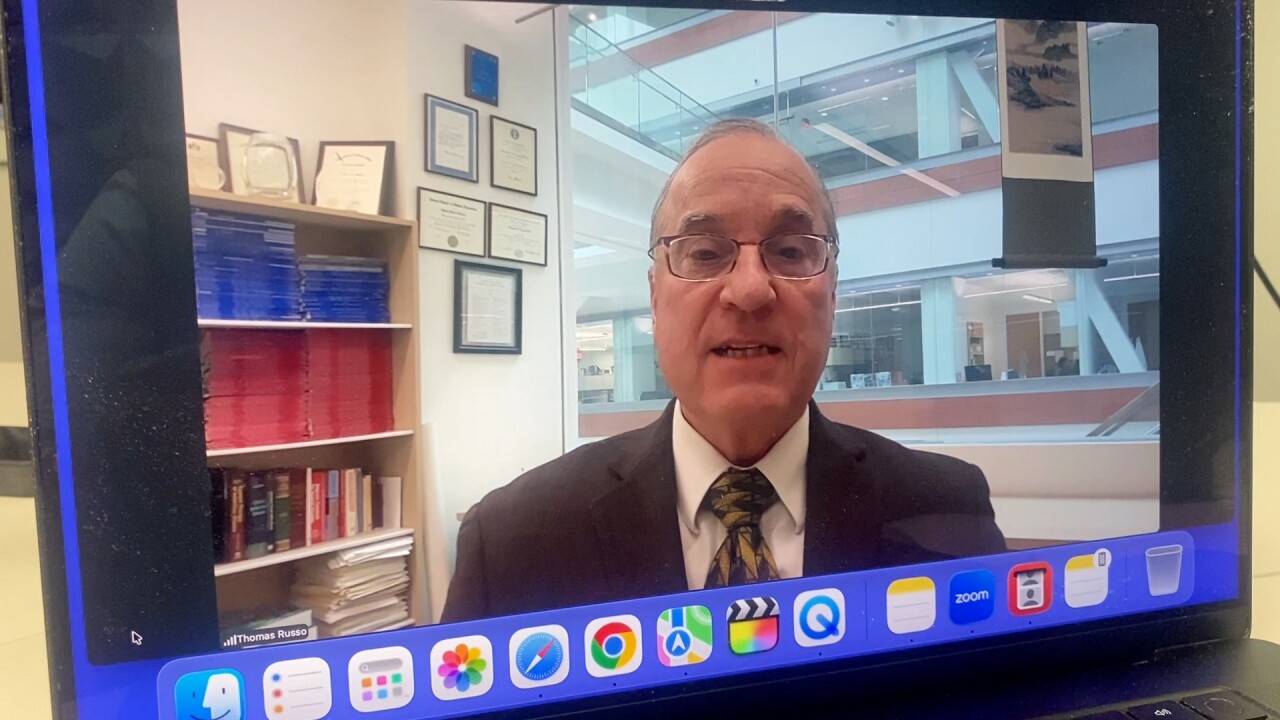
"Hantavirus is probably the least of concerns of infectious agents here in Western New York," Dr. Thomas Russo, professor & chief, infectious disease, Jacobs School of Medicine, said.
Dr. Russo is an infectious disease expert at the University at Buffalo. I asked Dr. Russo questions about the hantavirus that occurs throughout the world and comes in two forms.
"There is a New World hantavirus found in the Americas that causes pulmonary and cardiac disease, and an Old World virus found primarily in Europe and Asia — though there are a few cases in the Americas as well — that causes renal disease," Russo said.
WATCH: Hantavirus: UB expert explains what you need to know
Eileen: "What is the risk of getting it? is it very low?"
Dr. Russo: "The rest of the general public is as close to the zero number as it gets in the world of medicine."
The virus can be spread by rodent droppings.
"This virus is acquired by exposure to rodent urine, saliva or droppings," Russo said.

Eileen: "What's best to do to take precautions if you're cleaning out your?"
Dr. Russo: "First put on that mask that you have left over from the pandemic. Secondly, pour bleach over the area and let that sit for at least 10 minutes. And then when you clean it up, do not use a broom. Do not vacuum, which could aerosolize the rodent dropping particles. But use a paper towel with gloves and sort of, you know, scoop it up that way, put it in a bag and put it in the trash."
Eileen: "If someone were to get this, what would be the main symptoms?"
Dr. Russo: "It's a flu like syndrome for the first few days, but if severe disease were to develop, you would then develop respiratory symptoms, such as shortness of breath, perhaps dizziness or lightheadedness – really not that dissimilar for the severe symptoms that individuals experience with COVID."
This story was reported on-air by a journalist and has been converted to this platform with the assistance of AI. Our editorial team verifies all reporting on all platforms for fairness and accuracy.