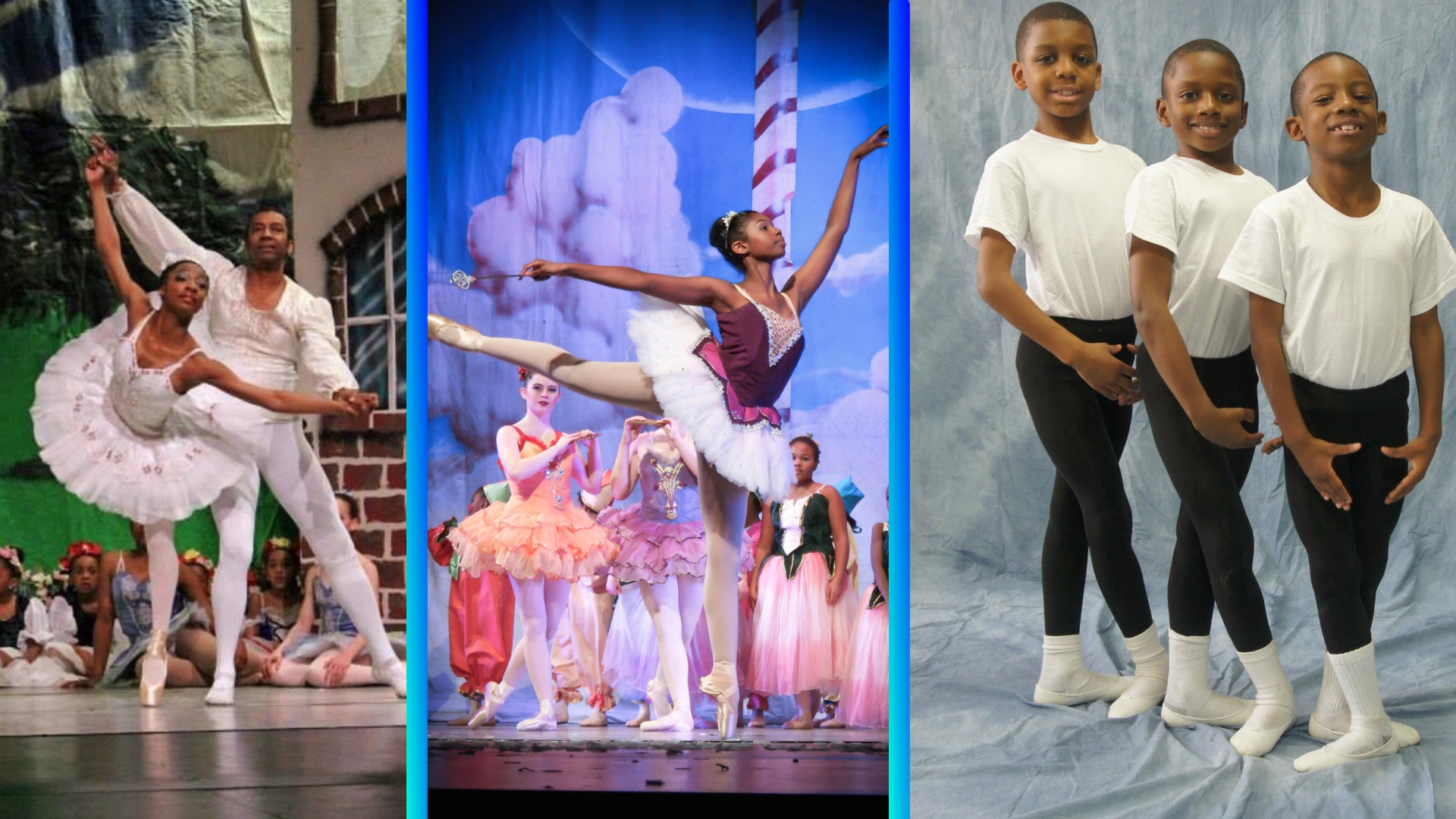


BUFFALO, N.Y. (WKBW) — For more than four decades, Buffalo City Ballet has been opening doors in an art form where representation has not always taken center stage. This Black History Month, the company is reflecting on its legacy and the dancers and mentors who carried it forward.
The school was founded in 1972 by Karl Singletary, an accomplished dancer who wanted to create a safe space for young Black boys in Buffalo.
"He decided to start a school in 1972 to keep young Black males off the streets in the City of Buffalo," said Marvin Askew. "And I was one of those fourteen boys."
For Askew, dance became both an outlet and a lifeline at a time when safe spaces were hard to find. His talent eventually took him to some of the biggest stages in the country, but his journey didn’t stop there.

When Askew returned home to Buffalo, he realized something was missing. There was no longer a local dance company serving the community. So he built one, shaping what is now known as the Buffalo City Ballet.
"Putting back what I got out of it," Askew said. "Giving kids from the community a sense of what dance is all about and exposing them to the culture of ballet."
WATCH: 'You are meant to be here': Buffalo City Ballet celebrates decades of representation, mentorship and Black excellence in dance
One of those dancers is Jeanelle Stephens, a Buffalo City Ballet alumna who spent 15 years training and performing with the company. She says the school offered something she didn’t always see in the traditional ballet world.
"When you get to do ballets like The Nutcracker or Giselle, these are European-based ballets where you’re supposed to be white, fair-skinned, and skinny," Stephens said. "But here, we were just accepted as we are, as Black girls."
Askew says that representation is exactly why early exposure matters and the impact of dance goes far beyond the stage.
"It’s good for the mind, learning these combinations," she said. "It’s good for your emotions, being able to be somebody else and being proud of yourself. That’s very important for Black people, and being in Buffalo City Ballet, that happens by default."
For many students, dance became a safe place to be seen, and at the center of it all was Mr. Marvin.
"Having Mr. Marvin as a mentor, you learn a lot more than just dance," Stephens said. "He was there for girls who came in with trauma and stress. You weren’t alone."
Now, after decades of shaping young lives, Askew is thinking about what comes next.
"I’m planning on retiring in a couple years," he said. "I just hope I’ve put enough in place so the school remains relevant and sustained without me."
But the message he leaves behind continues to resonate with every dancer who walks through the studio doors.
"You are meant to be here," Askew said. "Even if you look different, your uniqueness is a blessing. Use it to inspire somebody else."
As Black History Month continues, the Buffalo City Ballet stands as a reminder that its greatest impact isn’t just in the performances it produces, but in the confidence, purpose, and possibility it instills in generations of dancers still to come.