

Affordability remains a top concern for families across the country, and a growing bipartisan effort in Washington could bring significant relief to healthcare costs.
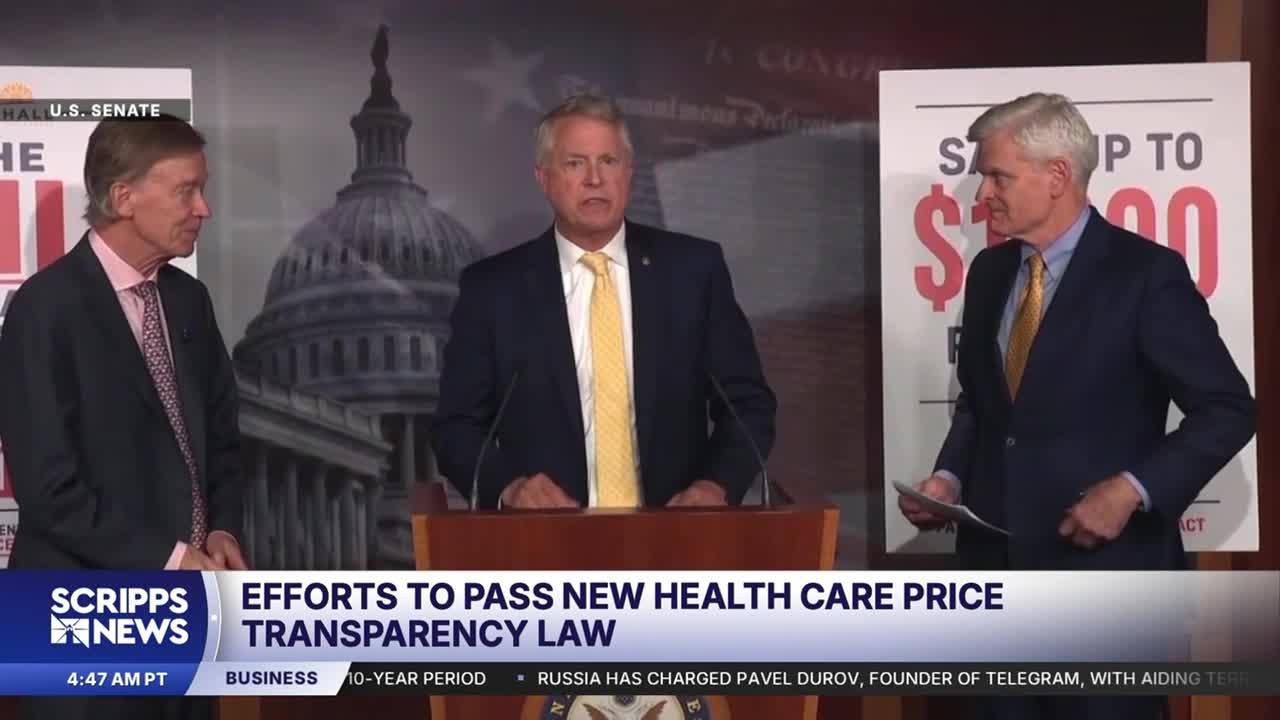
Democratic and Republican senators are teaming up to advance the Patients Deserve Price Tags Act, legislation that would require hospitals to advertise all of their most standard charges free of charge — and not just estimates. Hospitals that fail to comply would face fines and lose the ability to collect debts.
RELATED STORY | 71% of middle-income Americans say their income can't keep up with cost of living, survey finds
Supporters of the bill are drawing comparisons to everyday consumer experiences to make their case.
"What we have right now is no one can see any of the prices," Sen. John Hickenlooper, a Colorado Democrat, said.
Proponents argue that transparency will create competition and ultimately drive down costs for patients.
"A thousand a month, that's what we think this bill can save," Sen. Roger Marshall, a Kansas Republican, said.
Democratic senators, including Hickenlooper, have joined forces with Republican senators, including Marshall, to push the legislation forward — a rare show of bipartisanship in the current political climate.
RELATED STORY | Affordable Care Act enrollment projected to plunge by 5 million as costs spike
Not everyone supports the measure. The American Hospital Association has written that the proposed law "will increase the administrative burden placed on hospitals and health systems."
Price transparency has been a priority of President Donald Trump, increasing the likelihood the bill could become law. The White House recently warned hundreds of hospitals that they were not following existing rules on price transparency.