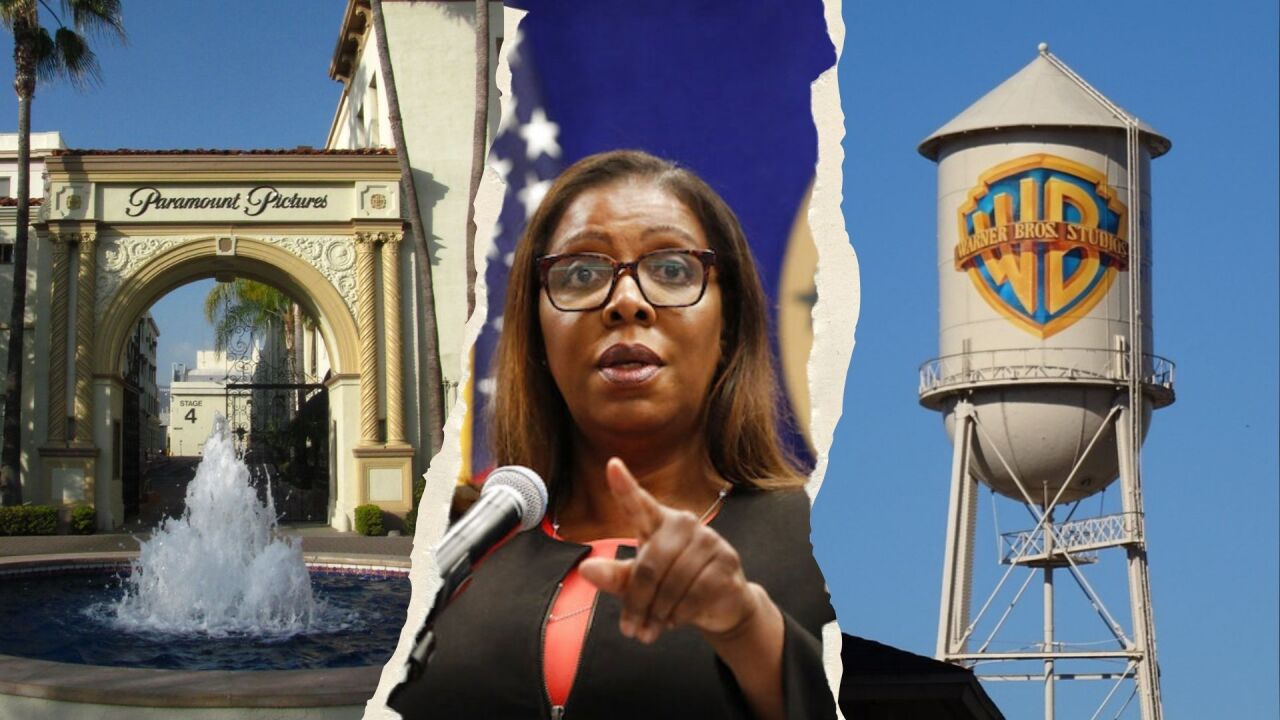


ALBANY, NY — New York has joined 11 other states in a lawsuit meant to block the controversial $110 billion merger between Warner Bros. Discovery and Paramount.
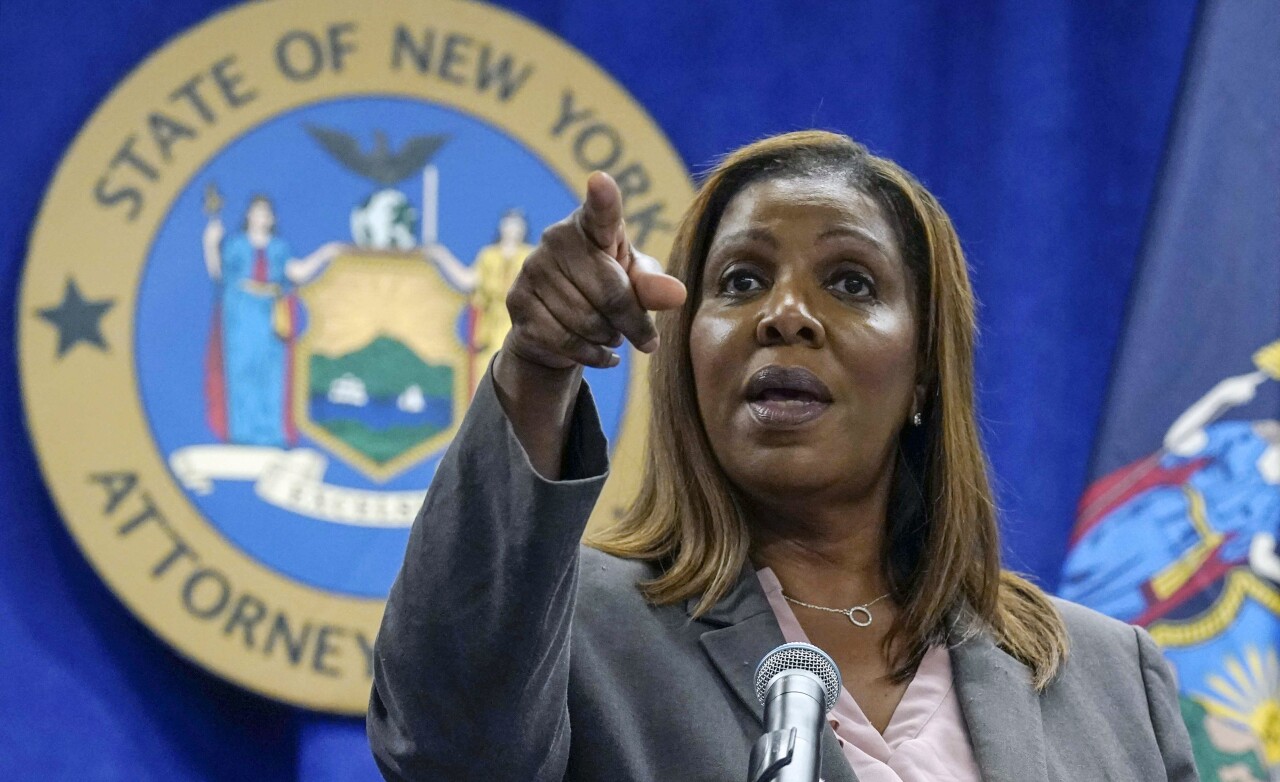
Based out of California, the suit was filed by 12 state Attorneys General, including New York's Letitia James. Other states include Arizona, Colorado, Connecticut, Massachusetts, Minnesota, Nevada, New Jersey, New Mexico, Oregon, and Washington.
"With less competition, Paramount would be able to dictate terms to theater owners and television providers, driving up prices for movie tickets and cable packages," AG James wrote on Monday. "This merger would destroy that competition, creating a massive company with unprecedented power and influence over news and entertainment across the globe. Paramount’s acquisition of Warner Bros. threatens to raise costs for consumers and put jobs and businesses nationwide at risk."
In February, Paramount announced the agreement after a months-long tug of war between them and Netflix for the acquisition of Warner Bros.
"This would create a media company of enormous scale that would illegally reduce competition across the entertainment industry. If the merger proceeds, Paramount would be one of four studios that would control 85 percent of all theatrical film releases." James continued. "Two companies – Paramount and Disney – would control more than half of all basic cable programming."
"What we saw yesterday was a group of 12 attorneys, state attorneys general, file a lawsuit in California to block the transaction," Rueben Miller, an expert on antitrust laws and the Global Editor for Deal Reporter, told WKBW. "And that represents the biggest challenge for consummation for the parties. And we're going to see that process play out over the next couple of days, but into the weeks and months, following, following that announcement yesterday."
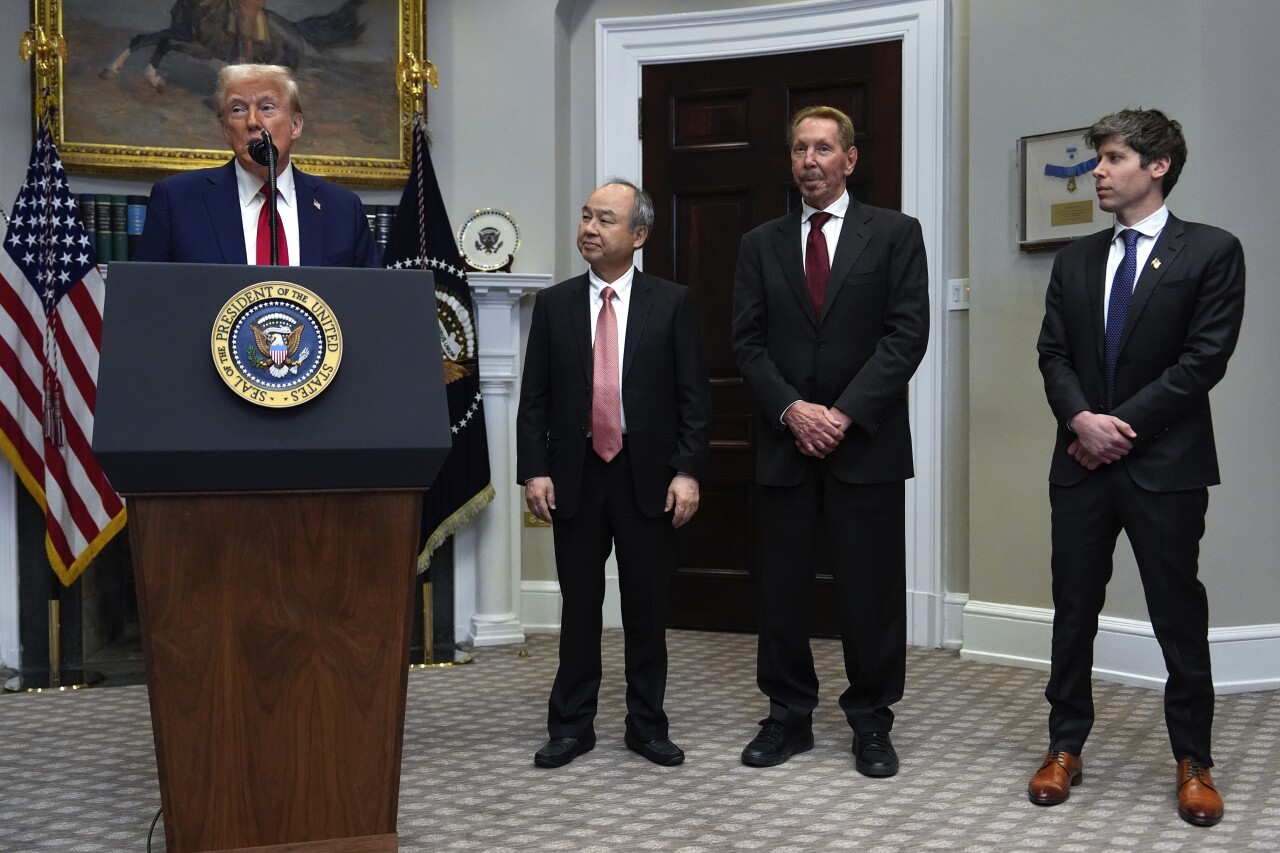
Miller said the states picked three product markets to target: widely released movies, blockbuster movies and basic cable, noting the decision to define a product market around "blockbuster tent-pole movies" as opposed to run-of-the-mill films was a nuance that the antitrust community is still analyzing. He also pointed to political dimensions surrounding the merger, particularly involving the Ellison family and their ally-ship with President Donald Trump.

"I think there's a lot of folks out there that thought they, they may have gotten an easy pass at the federal level, that Trump put his fingers on the, on the scale and allowed a merger to go through that otherwise would have required some kind of conditions, some kind of settlement, some offers from the party to make it more palatable, or could have been subjected to a federal level lawsuit," Miller said. "Instead, there was some creeping political dimensions in here, and I think that really raised a lot of eyebrows, and I think that really provoked some of this state action that we're seeing. Which is fairly aggressive to go forward once the feds have already cleared it."
Earlier in the month, the Department of Justice gave the green light for the merger. "The transaction is not likely to result in harm to competition or American consumers, including with respect to: (1) streaming video on demand (“SVOD”); (2) linear television; and (3) studio development, production, or distribution of films for theatrical release," the DOJ wrote.
"A lot of the allegations in the complaint, from the states is around leverage, that this, this really builds leverage," Miller said. "Warner Brothers has a massive presence at the box office. Paramount considerably less so, but adding to that already significant position, the state attorney generals allege, well, only, only increase the leverage that the combined company would have over theater owners, over, the creative community."
He said the states argue that removing one bidder from the market would have downstream effects on consumers.
"The states allege that with a more powerful company, removing one of those bidders is going to be worse down the line, up the chain, and then down the line as well, with the eventual impact on customers, on consumers, having less content out there, having less blockbuster movies, having less movies in general, having less competition for choice release seasons, and having the power to negotiate terms with theater owners that may be less consumer friendly," Miller said.
Miller said a hearing on a temporary restraining order is expected in the coming days, and he expects that initial request will likely be granted. But he said the legal test becomes harder for the states as the case moves forward.
"We'll see a hearing in the next couple of days on that TRO." Miller continued. "They'll likely be some briefing and some pleading around that, but in the coming 1 or 2 weeks or so, we'll have a decision on the TRO, which will likely be granted, and then it moves into further stages of the trial and the legal test. Become harder and harder for the states to surmount."
Asked whether a future administration could undo the merger, Miller said that while unscrambling the eggs is difficult, it is not impossible.
"We're hearing more and more rumblings from the Democratic Party that when they take control of Congress, will there be oversight hearings, will there be attempts to, as we say, unscramble the eggs, which is a very, very difficult thing to do, but not impossible," Miller said. "And I think these last couple of years with, with the relaxed anti-trust, antitrust enforcement at the federal level, with the perceptions of political influence, I think that's becoming more and more of a potent weapon that Democrats may go back and say this was incorrectly decided. There were improper political influences. We are going to do our best to unscramble the eggs and try and separate these companies. This strikes me as a very good candidate for that, should that effort really come to fruition."
"This is essentially the last bite at the apple," Miller said. "If the states are unsuccessful in their efforts, the parties will merge, and that's basically the ballgame."
Following the lawsuit, Paramount said it "will vigorously defend the transaction and demonstrate that this challenge is inconsistent with sound competition policy and the competitive realities of the media marketplace." Adding that the delay of the merger will hurt entertainment workers who have "already suffered over recent years as technology has disrupted their livelihood and cost California tens of thousands of entertainment jobs."