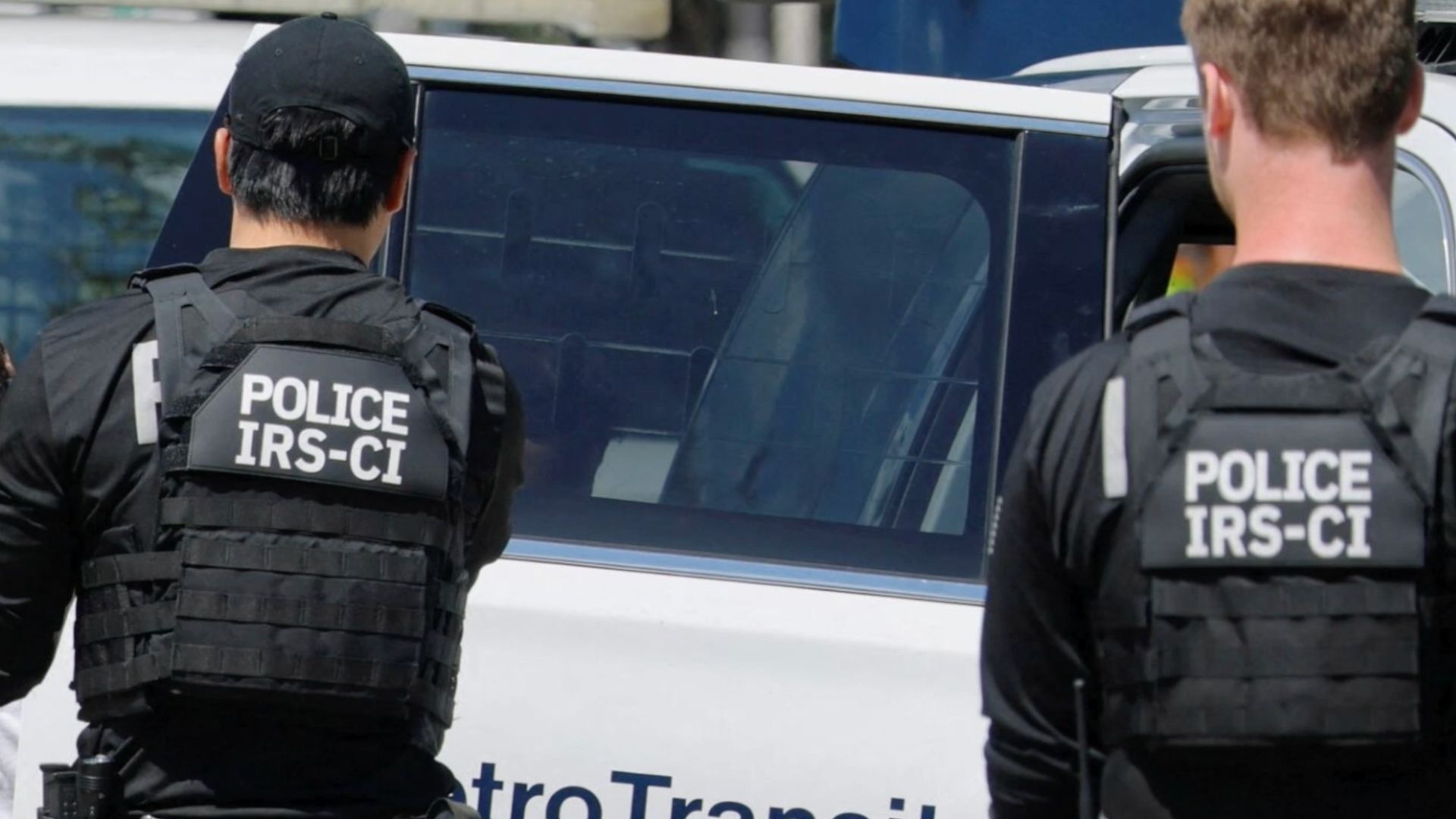


BUFFALO, N.Y. (WKBW) — For millions of Americans, a simple phone call can turn into a costly mistake, and some high-profile federal fraud cases in the Western District of New York highlight how seniors are often the targets.
Scammers stole more than $7.5 billion from seniors last year, according to federal data. The IRS Criminal Investigation agency says the actual losses are likely even higher because many victims never report what happened.
“We want to prevent people from becoming victims in the first place,” said Harry T. Chavis Jr., executive special agent in charge of the IRS Criminal Investigation New York Field Office.
IRS Criminal Investigation isn't just focused on tax crimes. The agency also investigates financial crimes ranging from mortgage and benefits fraud to investment scams and increasingly sophisticated schemes involving cryptocurrency and digital assets.
Seniors remain a major target
Chavis says criminals often target seniors because they believe they have accumulated significant savings.
“Criminals view them as having a nest egg,” Chavis said. “They've retired. There's going to be finances there that they can target.”
That's one reason the IRS Criminal Investigation office in Western New York partnered with more than a half-dozen federal and state agencies to create the Save Our Seniors, or SOS, Task Force.
Chavis called the effort “incredibly successful."
Last year, investigators helped build a case in the Western District of New York that resulted in eight arrests. Prosecutors said 139 victims were defrauded, with more than $11 million in actual and attempted losses.
How the scams work
Chavis says large fraud operations can be surprisingly organized.
"If you think how a business is set up, you've got a sales team,” he said. “Then you've got people who are pitching the sales pitch, then you've got a tech support scheme, then you've got different departments that handle different areas. It's the same way with a lot of these enterprises."
A more recent Western New York case illustrates how those operations can work.
Federal prosecutors allege 21-year-old Jay Sunilbharthi Goswami acted as a so-called money mule, collecting cash and gold from elderly victims and turning it over to other members of an alleged conspiracy.
Prosecutors say nine victims, ranging in age from 59 to 87, lost more than $7.5 million.
Investigators say local gold businesses and pawn shops recognized red flags when a victim came in.
"We were able to then get out, talk to the victim, and prevent that scheme from moving further forward," Chavis explained. "It allowed us to get a criminal complaint and actually arrest one of the mules."
WATCH: WNY fraud cases show how scammers are targeting seniors
Goswami faces wire fraud, money laundering and conspiracy charges. He has pleaded not guilty, and the allegations against him have not been proven in court.
AI is giving scammers new tools
Chavis says artificial intelligence is also changing the fraud landscape.
"They're able to use AI technology to ultimately create images," Chavis said. "You can even do sound so that it makes the victim believe the information that's being provided.”
His advice is simple: be skeptical of unsolicited calls and texts.
"Whenever you get unsolicited calls, texts, it's likely going to be a scam," Chavis said.
Don't be embarrassed to report it
Chavis also wants victims to know there is no shame in reporting fraud.
“We want to get rid of that stigma,” Chavis said.
Reporting a scam quickly can also give investigators a better chance of recovering money.
“The sooner we have that information, the more likely we are to be successful at recouping some of those funds that have been stolen from you,” Chavis said.
And he says reporting can help investigators stop other victims from being targeted.
Watch for these red flags
Chavis says scammers frequently impersonate government agencies or law enforcement, something that should immediately raise suspicion.
Government agencies and legitimate law enforcement will not demand that you liquidate your assets, pay with gift cards or threaten to arrest you if you don't immediately send money, he said.
When in doubt, stop and verify who is contacting you. Use a phone number or website you find independently, rather than information provided by the caller or message.
"We're going to keep moving forward and trying to tackle each one of these schemes and bring these people to justice," Chavis said.