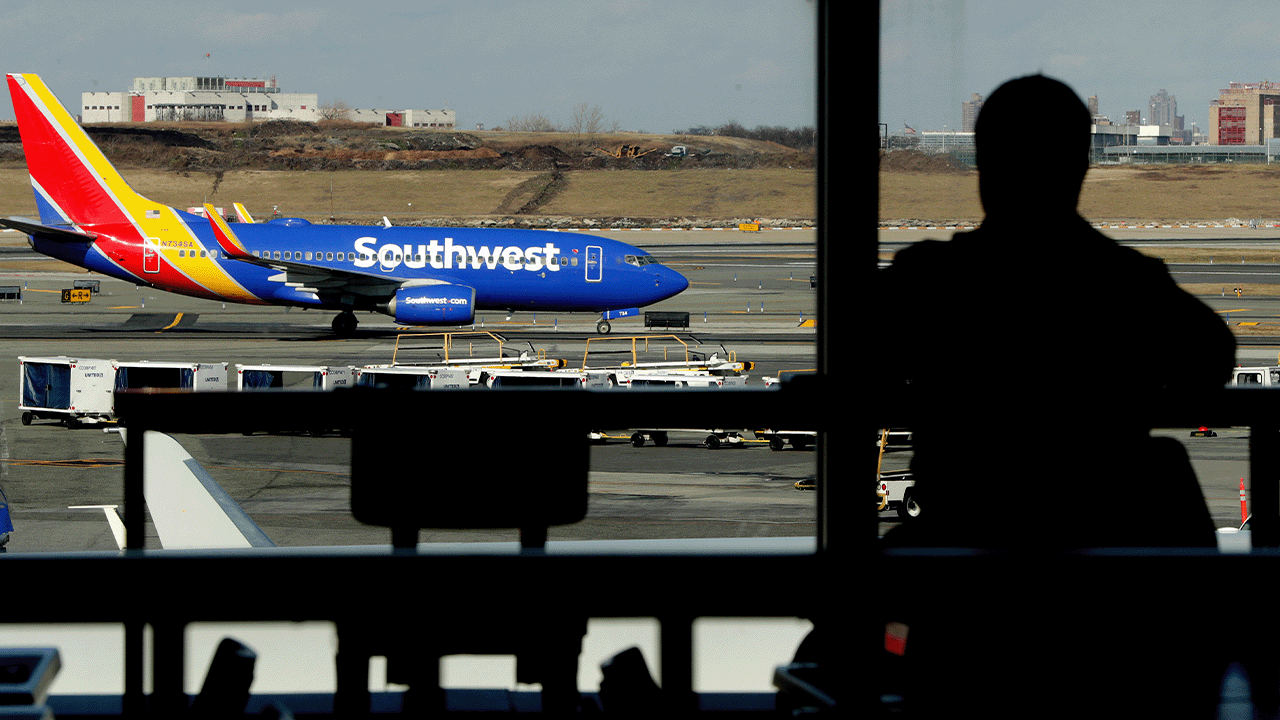

BUFFALO, N.Y. (WKBW) — Due to the ongoing government shutdown, the Federal Aviation Administration (FAA) announced it would be reducing air traffic at 40 high-traffic airports across the country as part of its effort to "maintain the highest standards of safety in the national airspace system."
According to the FAA, this includes:
- 4 percent reduction in operations effective November 7
- 6 percent by November 11
- 8 percent by November 13
- 10 percent by November 14
You can find a full list of the impacted airports here.
If you plan to fly soon, I spoke with Sam Sweeney, who covers transportation for ABC News, and Katy Nastro from Going.com, who gave travel insight for this unprecedented time.
"The reason all of this is happening is because there's simply not enough air traffic controllers, there's already a shortage on a good day," explained Sweeney, who covers transportation for ABC News.
The flights impacted by these reductions are scheduled during the hours of 6 a.m. to 10 p.m.
"The 4% cut is not entirely outrageous," explained Nastro. "On any given day, we see 2% of flights on average being canceled."
Will my flight be cancelled?
Sweeney: "Airlines are targeting flights for cancellation that have the lowest impact on passengers."
Nastro: "Think [flights] under three hours, two and a half hours and below, that you are likely going to see some impacts. As we head further into this, the higher the likelihood the regional flights are going to get disrupted or outright cancelled."
Both alluded to regional flights, for example, New York City to Washington D.C., New York City to Buffalo, and Los Angeles to San Francisco.
"The theme of this shutdown has really been anything can happen," said Nastro.
Would driving be better?
Nastro: "Gas prices are at the lowest they've been in the last few years so a bright spot is it won't cost you as much to drive, but only if you can and are able to...You're not just avoiding risk of getting disrupted, but avoiding the headaches of the busy airports, we're still seeing over two million people on average per day."
When will I know if my flight is cancelled?
Sweeney: "They are telling people about these cancellations generally at least a day, if not more, in advance. So the best tip is to have the airlines app, because that's where you will find out first about any problem."
Do I get a refund or compensation if my flight is cancelled?
Nastro: "Regardless of the airline you're flying on, you are entitled to a refund for the value of your ticket that you had cancelled, or a rebooked flight...It is one or the other."
Some airlines will offer waivers for troubles for a specific time frame.
According to the U.S. Department of Transportation:
- If an airline cancels a passenger’s flight or makes a significant change in the flight, regardless of the reason, airlines are required to provide a prompt refund to a ticketed passenger, including those with non-refundable tickets, should the passenger choose not to accept the alternative offered, such as rebooking on another flight. Learn more about your right to a refund. If you have a problem obtaining a refund that you believe that you are entitled to receive, you may file a complaint with the DOT. If you are an airline passenger with a disability looking for more information regarding your rights during air travel, please follow this link to our disability webpage.
- Each airline has its own policies about what it will do for delayed or cancelled passengers. If an airline has made a commitment to provide a particular service or compensation, then the Department can hold the airline accountable. The Airline Customer Service Dashboard provides a summary of the commitments made by U.S. airlines to mitigate passenger inconveniences for controllable delays and cancellations...If your flight is experiencing a long delay or is cancelled, ask airline staff if they will pay for meals or a hotel room or compensate you for your time. While some airlines offer these amenities to passengers, others may not provide amenities to stranded passengers.
Does the time of my flight matter?
Sweeney: "A great piece of advice is to take that first flight out in the morning, there's a number of reasons. If you take the first flight, one, the plane has probably been there since the night before, which likely means maintenance was done overnight if there was any sort of issue. The crew is likely already in place to depart on time. Also if there is a problem you have the entire day of options to figure it out to get to your destination. If you're on the last flight, or second to last flight of the night, you have a much higher chance of getting stuck overnight than you do in the morning."
U.S. Department of Transportation has an interactive website, specific to each major airline.
What should I do if I'm flying for Thanksgiving?
Nastro: "Don't make any drastic changes yet. See how the next few days play out."
Will I be impacted if I'm flying to another country?
Nastro: "International flights are largely unaffected."
"It is a numbers game, you can't really predict where or who is going to call in sick, what airport it will be at, whether it will be TSA or air traffic controllers" said Sweeney. "Seems to one day it will happen in Houston, the next day in San Diego possibly tomorrow in Buffalo.