

BLASDELL, N.Y. (WKBW) — Families across Western New York are grappling with electric bills that have doubled or tripled in the past year, with many pointing to rising delivery charges as a major factor behind the unexpected increases.
Jason Heintz and his wife bought a home in Blasdell with their two children last year, expecting typical homeownership costs. What they didn't anticipate was their electric bill skyrocketing.
"I don't understand where all the energy is being used that I'm paying for," Heintz said.
The increase hit just as his family was settling into life as new homeowners. Heintz said his bill has tripled since this time last year.
"You know, like what? I've got to pay a mortgage, I got car payments, now I got to worry about my electric bill, what's killing us? It's not right, again, it shouldn't be like that," Heintz said.
Heintz is not alone. When I asked people to share what they're seeing on their electric bills, the response was overwhelming.
Dozens of people across Western New York reported the same experience. Bills that once hovered around $100 are now pushing $200, $300, even $400 a month. Many people say they don't think their usage has changed.
WATCH: Electric bills surge across Western New York as delivery charges drive costs higher
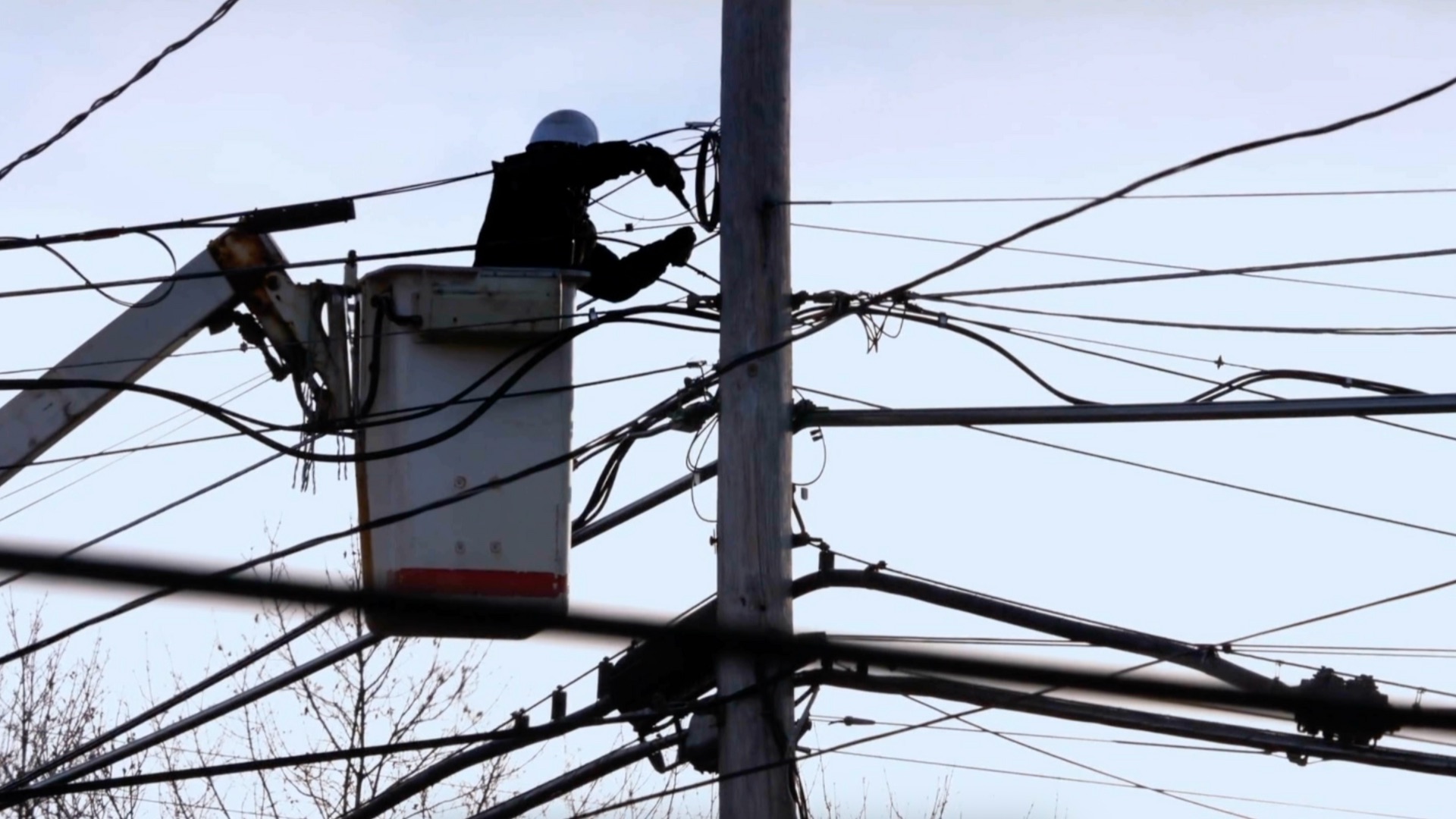
In New York state, electric bills are split into two main parts: supply and delivery. Supply is the cost of electricity, and delivery covers the maintenance of lines, substations, and system upgrades.
State regulators approved multi-year delivery rate increases starting in 2023, allowing utilities to recover infrastructure and operating costs over time.
For many households, the concern isn't just the increase, it's the unpredictability.
Several people said they're struggling to budget when delivery and supply charges change month to month, especially during colder winters when demand is higher.
These rates are reviewed through public proceedings, but many viewers say they want clearer explanations on what's driving their bills.
This story was reported on-air by a journalist and has been converted to this platform with the assistance of AI. Our editorial team verifies all reporting on all platforms for fairness and accuracy.