


WEST SENECA, N.Y. — If you've noticed crews trimming trees near power lines, there's a reason.
National Grid and NYSEG regularly cut back trees and branches that could threaten their electrical systems, part of routine vegetation management that both utilities say is critical to preventing power outages.
The work comes as Western New York heads into another winter, after falling trees and branches contributed to power outages across the region last winter.
For National Grid, vegetation management is typically done on a five-year cycle, with crews trimming an entire circuit before returning to that area again.
“We're constantly focused on making sure our system is as resilient as possible,” National Grid Regional Director Ken Kujawa said. “Vegetation management is critical," he explained.
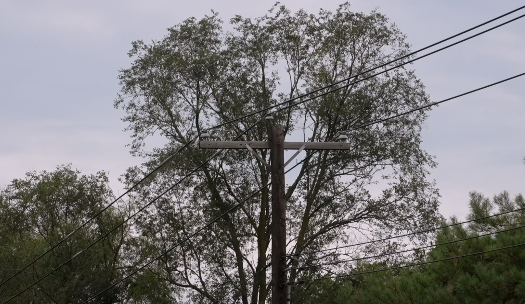
The goal is to create more space between trees and power lines so that wind, snow and ice are less likely to cause branches to hit the lines.
National Grid says crews are constantly trimming and cutting trees to keep them away from its lines.
NYSEG has a similar vegetation management program.
Mike Baggerman, a NYSEG spokesperson, said the company considers the work one of its most important programs.
“To be able to trim the trees, it does wonders to make sure the power stays on for customers,” Baggerman said.
NYSEG says it has a goal of trimming 4,000 circuit miles this year, with the work continuing year-round.
The timing also brings a reminder of one of Western New York's most memorable weather events.
This month marks 20 years since the October 2006 surprise winter storm, when heavy snow brought down trees across the region and left hundreds of thousands of customers without power.
Baggerman said the weight of that snow on trees was one reason the storm caused so much damage.
“That's why vegetation management is so important,” Baggerman said.
Baggerman and Kujawa say keeping trees and branches away from power lines can reduce the potential impact when severe weather hits.
The work is routine, but the goal is anything but: keeping trees off power lines when the next round of snow, ice and wind arrives.