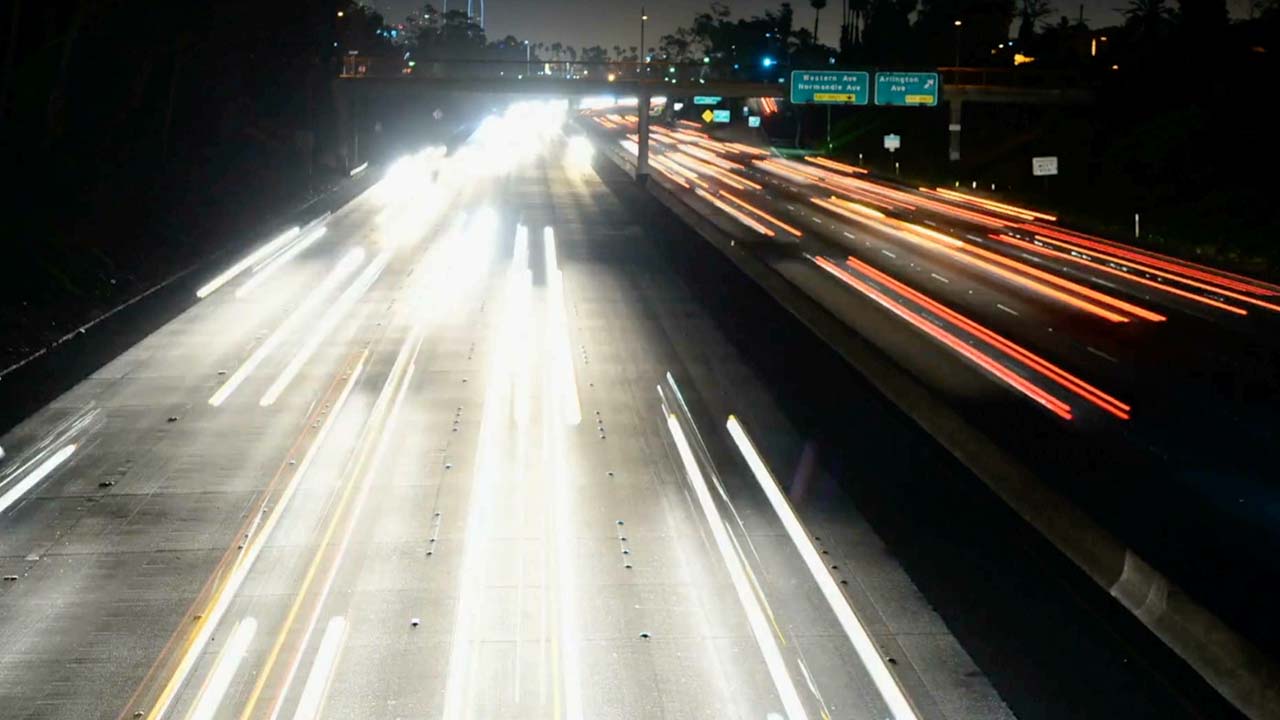


ATTICA, N.Y. (WKBW) — For many drivers, the hardest part of nighttime driving is no longer the darkness; it is the brightness of oncoming headlights.
“You’re constantly getting glared by LED lights from oncoming traffic,” said 17-year-old Vincent Dimick. “Sometimes you think it’s their brights, and you realize they’re still just as bright even when they’re on their dims."
Dimick is a relatively new driver, but he says the issue stands out every time he is on the road. He is now taking action, starting a local petition that calls for limits on the intensity of LED headlights.
The concern is not isolated.
A recent survey from the American Automobile Association found that six in 10 drivers say headlight glare is a problem after dark. Nearly three-quarters of those surveyed said the issue has worsened over the past decade.
Many drivers point to newer LED headlights and larger vehicles as the reason. Taller trucks and SUVs can position headlights directly at eye level for drivers in smaller cars, making glare feel more intense.
WATCH: Frustration grows over bright LED headlights as drivers push for change
Advocates say the issue deserves more attention.
Mark Baker, who leads the Soft Lights Foundation, believes current standards are not keeping up with newer lighting technology.
“The LED headlight issue is not a Democratic issue, a Republican issue, a young or old person issue,” Baker said. “It is everyone with eyes being affected. Whether you are a driver or pedestrian, these LED headlights are blinding us."
Still, researchers say the data does not show a clear link between glare and an increase in crashes.
The Insurance Institute for Highway Safety analyzed years of crash reports and found glare is cited in a very small percentage of nighttime incidents.
“From 2015 to 2024, the rate of crashes where glare was a factor stayed at about 0.1 to 0.2 percent of all nighttime crashes,” said IIHS Principal Researcher Matthew Brumbelow.
That disconnect between what drivers experience and what crash data shows is now driving a broader conversation about road safety and evolving vehicle technology.
Experts say modern headlights are designed to improve visibility for drivers, especially on dark roads with limited street lighting. But as brightness increases, so do concerns about how that light affects others on the road.
For drivers like Dimick, the issue feels immediate, regardless of what the data shows.
“It’s a problem for everyone,” he said. “Young or old. You still have to look at the road.”
As more vehicles with LED headlights hit the road, the debate is likely to continue. For now, many drivers say the glare is hard to ignore, even if the long-term safety impact remains unclear.