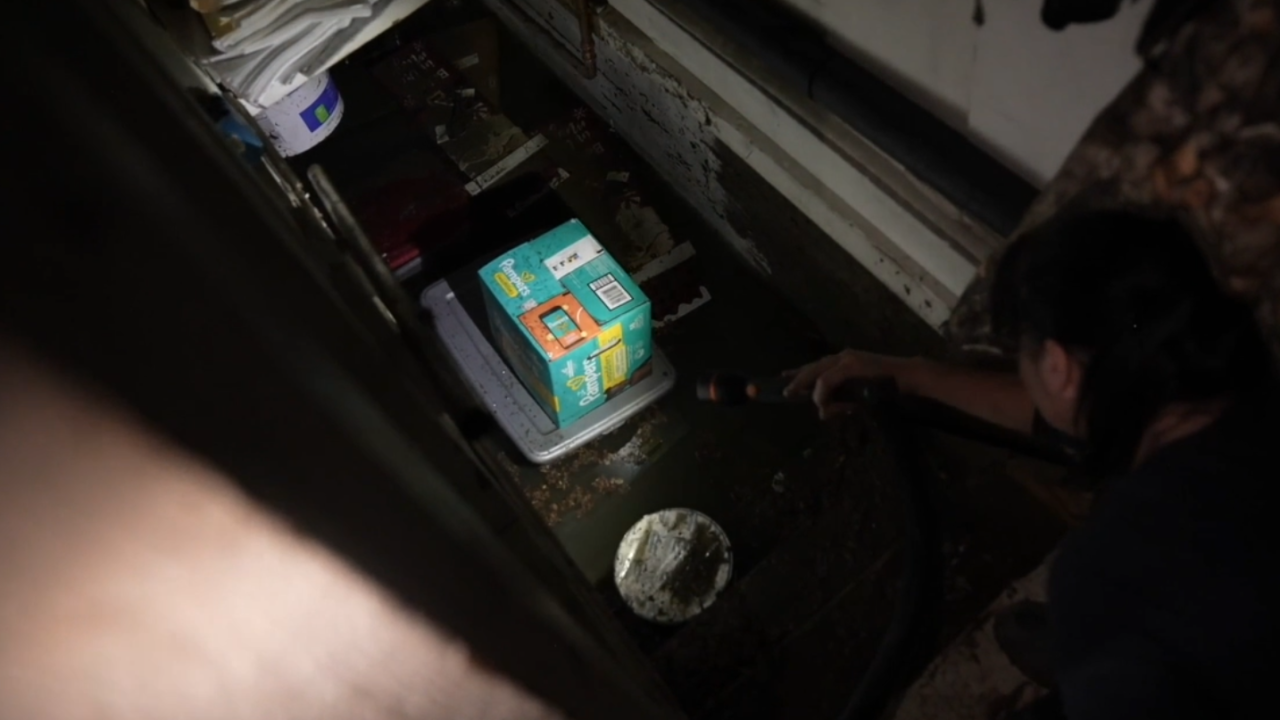


BUFFALO, N.Y. — Some Western New Yorkers are working to clean up after flash flooding impacted homes, businesses and vehicles, leading to questions about what is and what is not covered by insurance.
David Kirst, insurance sales and operations manager with AAA of Western and Central New York, says AAA received hundreds of calls from customers stranded on area roads because of rising floodwaters.
WATCH: Here's what you need to know about flood insurance
“We were really inundated with a lot of different calls coming in,” Kirst said.
AAA crews worked to help stranded drivers and get vehicles to safety.
“We try to get a road crew out to you as quickly as possible, either pull the vehicle to safety, get someone to their, you know, where they need to go,” Kirst said.
But when it comes to flood damage, the type of insurance coverage you have can make a big difference.
Flood damage to your car
Kirst says many drivers are financially protected for flood damage but only if they carry comprehensive coverage.
“If you have that comprehensive coverage — so part of the physical damage coverage is comprehensive — you're going to have coverage for any flood damage with that,” Kirst said.
Drivers who only have liability coverage are generally on their own.
“If your car's paid off and you just have liability coverage on your vehicle, unfortunately, that's where you would not have any coverage for anything that happens with the flood,” Kirst said.
What about your home?
Homeowners insurance can be more complicated. Kirst says most policies include limited coverage for water backup, including certain situations involving a sump pump or sewer line. That coverage is often capped at around $5,000.
But there's an important distinction between water backup in a basement and natural flooding.
If water enters your home from outside — like what we experienced in North Buffalo and other communities Thursday evening — homeowners generally need a separate flood insurance policy to cover that damage.
“It's unfortunately a very small percentage of homes [that] actually have that,” Kirst said.
Why don't more people have flood insurance?
Flood insurance is available through the federal National Flood Insurance Program, or NFIP, which is administered by FEMA.
For a home purchased in a floodplain, mortgage companies often require the purchase of flood insurance. Costs can be a deterrent for people who are not required.
“Outside of that, most people don't get it," Kirst said. "It is kind of pricey ... until you have that claim. And then it's like, you wish you would have had that ahead of time."
What if you don't live in a floodplain?
Kirst says homeowners shouldn't assume they're immune from flooding simply because they're outside a designated floodplain.
“What is that balance like in saying, 'I'm not in a floodplain, flooding is unlikely where I am, but goodness, what if this happens to me?'" asked 7 News' Michael Wooten.
"Well, the nice thing is anyone can always purchase a flood policy," Kirst said.
He said the higher your elevation and the less likely it is to flood, the cheaper your flood insurance would be.
There is a waiting period for flood insurance to prevent someone from buying it right before a big storm or once they've already experienced flood damage.
Kirst recommends everyone have the flood insurance discussion with your agent, and if you experience damage, have that conversation even if you don't think it will be covered.