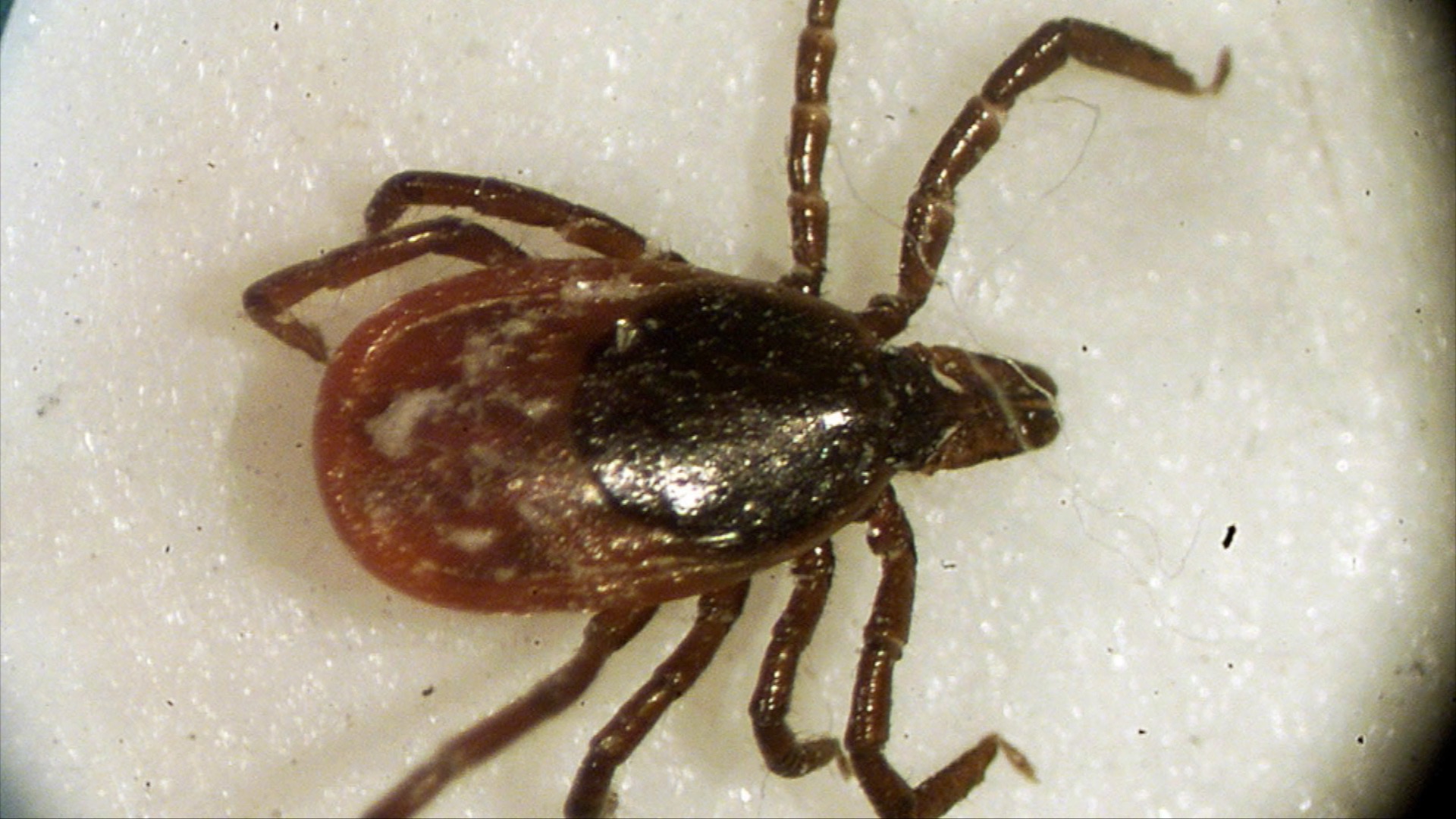


SALAMANCA, N.Y. (WKBW) — Tick season is ramping up across Western New York and health officials are urging residents to take precautions.
The CDC says the weekly rate of emergency room visits for tick bites is the highest it has been since 2017.
Rebecca Roll with Lyme Western New York, told WKBW on Sunday, the threat is not limited to any one setting.
"It's an everywhere problem. It's not an outdoor problem. It's not a wooded problem. It's an everywhere problem," Roll said.
WATCH: Tick season is here: Staying safe outdoors in Western New York
That is not a reason to stay inside. Roll said getting outside is still worth it.
"Make sure you enjoy the outside. We're lucky. We're blessed," Roll said.
Ticks live in grassy, brushy, and wooded areas, but also in backyards and neighborhoods. They do not jump or fly. They attach when a person or animal brushes against something a tick is on, like tall grass or shrubs.
Wearing light-colored clothing makes it easier to spot ticks. Long pants and long-sleeved shirts provide added protection. Tucking pant legs into socks or boots and shirts into pants reduces exposed skin.

The Western New York Public Health Alliance recommends using insect repellent with 20–30% DEET.
The EPA also recommends repellents containing picaridin, IR3535, Oil of Lemon Eucalyptus (OLE), para-menthane-diol (PMD), or 2-undecanone. Products containing OLE or PMD should not be used on children under 3 years old.
If using sunscreen, apply it first and insect repellent second.
Conduct a full-body check after returning from any potentially tick-infested area. Use a hand-held or full-length mirror to view all parts of the body. Key areas to check include:
- Under the arms
- In and around the ears
- Inside the belly button
- Back of the knees
- In and around the hair
- Between the legs
- Around the waist
Check children and pets as well.

If you find a tick
Do not panic. Use fine-tipped tweezers to grasp the tick by its mouthparts — as close to the skin as possible — and pull straight up without twisting. Do not squeeze the body. Clean the bite area afterward and watch for a rash for 3 to 30 days.
Removing a tick within 36 hours of attachment can significantly lower the risk of contracting Lyme disease.
If a tick is found, do not panic. Use fine-tipped tweezers to grasp the tick by its mouthparts, as close to the surface of the skin as possible. Pull straight up without twisting. Do not squeeze the body of the tick, as this may increase the risk of infection. Do not touch the tick directly.
After removal, clean both hands and the bite area. Removing a tick within 36 hours of attachment can lower the risk of contracting Lyme disease.
Watch the bite site for a rash for 3 to 30 days after the bite.
Homeowners can also take steps to create a tick-safe zone in their yard:
- Keep grass mowed and clear tall grasses and brush
- Remove leaf litter and brush around stone walls and wood piles
- Keep wood piles and bird feeders away from the home
- Place a 3-foot-wide barrier of wood chips or gravel between lawns and wooded areas
- Keep playground equipment, decks, and patios in sunny spots away from yard edges and trees
- Discourage deer, raccoons, and stray animals from entering the yard by constructing fences
- Keep dogs and cats out of wooded areas to reduce ticks brought into the home