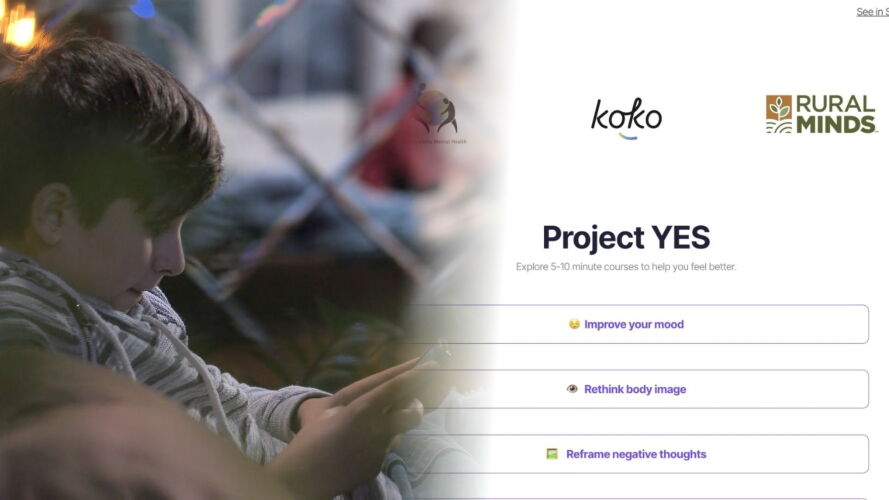


MAYVILLE, N.Y. (WKBW) — A new program launched by Rural Minds, a Mayville-based organization focused on expanding access to mental health resources in rural communities, hopes to assist younger residents and teens.
Last week, the nonprofit organization launched its Rural Youth Mental Wellness Program, with emphasis on its set of free, digital self-help sessions, or "Single Session Interventions (SSIs)."
The program's rollout also coincided with National Suicide Prevention Month.
“This is a program that was developed by young people, not for young people, and that's a very important distinction because young people want to be part of the process," Jeff Winton, founder and chairman of Rural Minds, told WKBW. "They don't want older people like myself telling them what they need."
"One of the main things that the young people on our steering committee told us is, don't talk to us; talk with us. We want to have a conversation. We don't want you preaching to us and telling us what to do because young people are very independent," Winton said.
Rural teens face mental health challenges distinct from their urban peers, including isolation, stigma, and limited access to care. According to the Centers for Disease Control and Prevention (CDC), the suicide rate for rural youth ages 15 to 19 is 74% higher than for their urban counterparts.
A study by the New York State Association for Rural Health found that depression and anxiety are top priorities in nearly every county. Adult prevalence rates range from 15 to 34 percent, and youth data are even more concerning. In counties such as Livingston, Ontario, and Madison, more than 40 percent of youth report feeling sad or depressed most days.
Suicide mortality rates, particularly among teenagers and older adults, are significantly higher than state averages in many rural areas, the study also found.
“The last time the CDC released their statistics, young people in rural America were 50% more likely to die by suicide," Winton said.
WATCH: ‘Talk with us, don’t preach to us’: Rural Minds launches youth-led mental health initiative
The rural-specific SSIs are brief, self-guided digital modules that teach teens ways of understanding and coping with depression, anxiety, and stress. They can be completed online, anonymously, in about 10 minutes, at no cost and with no clinician needed, making them especially valuable for rural communities where mental health providers are scarce.
The program also offers practical resources, social support tips, and culturally relevant content organized by topic, including anxiety, depression, substance use, suicide prevention, and LGBTQ+ youth, along with a toolkit to equip parents, teachers, and community members with program content to support the young people in their lives.
The program was launched in partnership with Northwestern University’s Lab for Scalable Mental Health and Koko.
"A young person’s ZIP code should never determine whether they can access meaningful mental health support where and when they need it,” said Dr. Jessica Schleider of Northwestern University's Lab for Scalable Mental Health in a press release. "Our lab is thrilled to partner with Rural Minds as they champion evidence-based, anonymous, freely available support tools designed to overcome barriers to help-seeking faced by rural youth across the country."
“The biggest thing I'm hoping that young people and adults take away from this is once again there is help, and there is hope, but it starts with you," Winton said. "You need to admit that you're having an issue. You need to find one person in your circle, whether it's your family or your community or your house of worship, that you can confide in, somebody who can help you find the assistance you need, whether it's therapy or medical intervention or whatever that might be."
"In rural areas we have to work harder at finding that assistance because it's not as readily available as it is in other urban and suburban areas. But it does exist," Winton said.