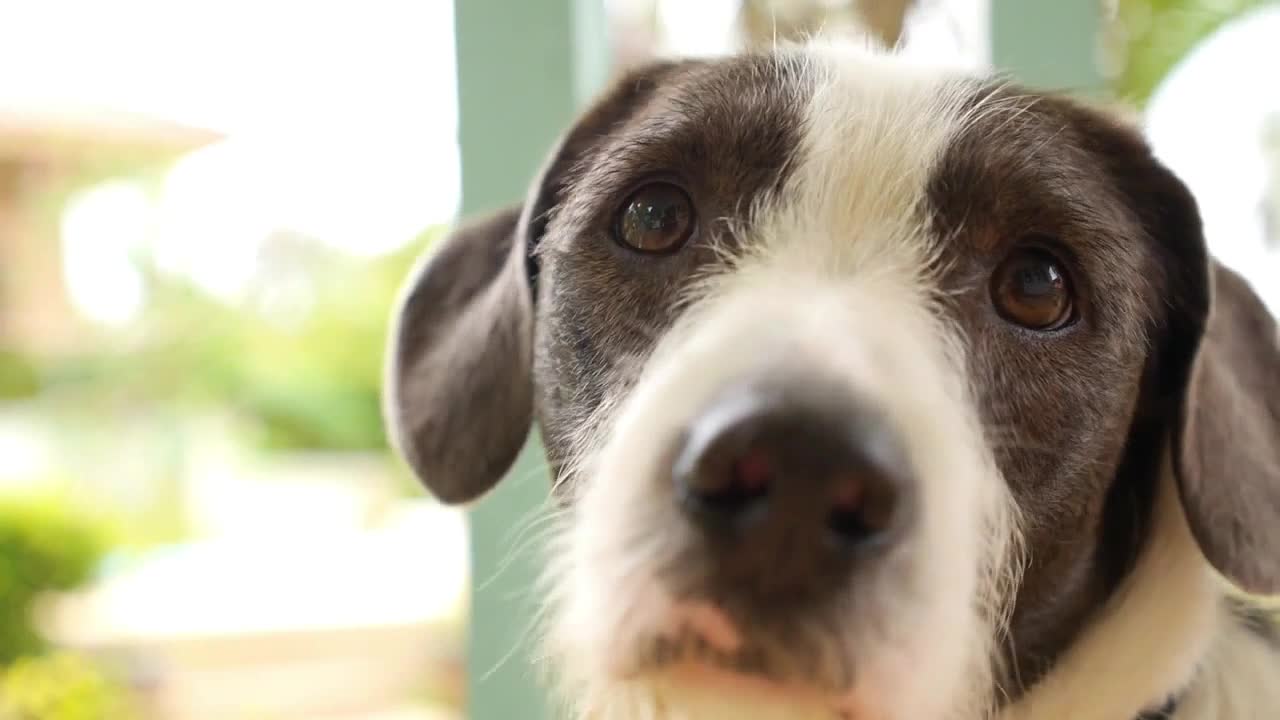


Three Chautauqua County animal shelters, from as far south as Jamestown, have paused new intakes after several dogs brought in tested positive for parvovirus.
Canine parvovirus infection (commonly called "parvo") is a highly contagious disease. The virus attacks white blood cells and the gastrointestinal tract of dogs and other canids like coyotes, wolves, and foxes.
Last week, Small Town Shelter in Sherman announced their first case.
"We are devastated," the shelter wrote in a social media post. "We are embarrassed. And we are banging our heads against the wall trying to figure out how this happened."
The post continued, "In all the years we have been doing this, since 2019, we have never dealt with parvo inside Small Town Shelter. We truly never thought we would be making this post, yet here we are."
Days later, Northern Chautauqua Canine Rescue announced it would pause intakes for 2-3 weeks following the arrival of a dog that tested positive for parvo. On Monday, the Chautauqua County Humane Society made a similar announcement. However, the shelter also noted cats testing positive for ringworm and pan‑leukopenia as another contributing factor as well.
“I think what makes it scary is the fact that we don't know exactly where it's coming from," Sheridan Dog Control Officer Nicole Welka told WKBW. "So pet owners need to be very careful when they bring their dogs out in public anywhere, even for walks."
All dogs are susceptible to parvovirus, though some are at greater risk than others. These include puppies between 6 and 20 weeks old, unvaccinated or incompletely vaccinated dogs, and certain breeds, such as these:
- Rottweilers
- Doberman Pinschers
- Bull terrier breeds
- German Shepherds
- English Springer Spaniels
"The most important thing is to make sure your dogs are vaccinated for parvo because that's really what will help you the most," Welka said. "Most dogs that are vaccinated as a puppy are OK, but they still can get it; it might not be as serious, but they still will get it."
According to the American Veterinary Medical Association, additional protective measures include:
- Until the initial vaccination series is complete, use caution when bringing puppies to places where dogs gather. This includes pet shops, parks, puppy and obedience classes, doggy day cares, kennels, and groomers.
- Choose establishments and training programs that require up-to-date vaccinations, health exams, good hygiene, and isolation of sick puppies and dogs.
- Keep your dog away from other dogs when sick, including other dogs within your home.
- Avoid contact with known infected dogs and their premises.
- Keep your dog away from other dogs’ feces.
- Routinely collect and properly dispose of your dog’s feces.
- If you’ve been in contact with dogs with parvovirus infection or parvovirus exposure, wash your hands and change your clothes before handling other dogs.